
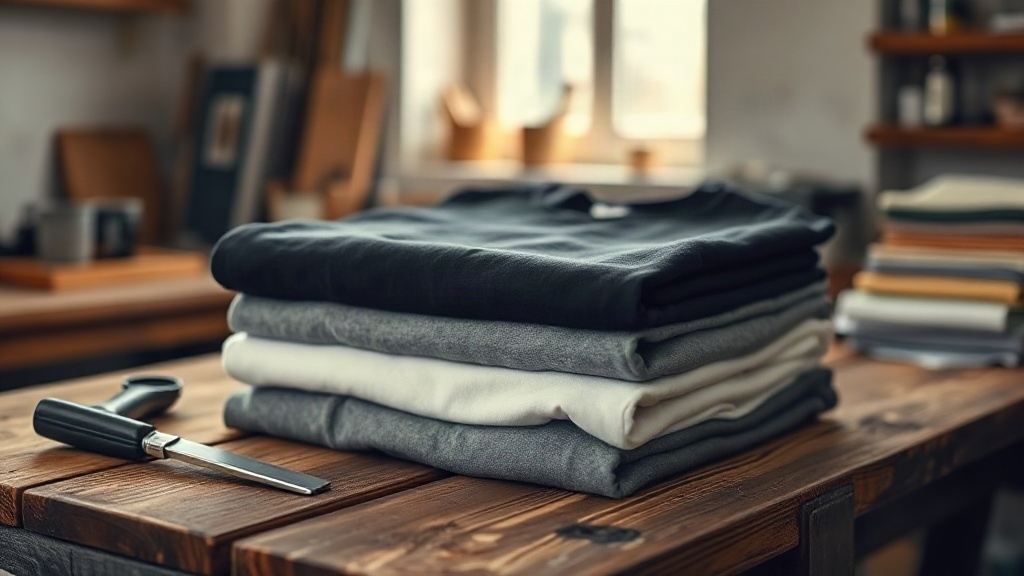
Most people meet Shaka Wear the same way: a friend hands them a plain black tee that feels weirdly heavy, they check the neck tag, and a small obsession begins. The brand has spent years as a quiet workhorse in streetwear, skate shops, and screen-printing studios, rarely chasing hype and almost never running a flashy campaign. That low profile is exactly why so many buyers still have basic questions about what they are getting, how it fits, and whether the price makes sense. This guide answers those questions the way a print shop owner would, not the way a marketing page would.
What Shaka Wear Actually Is
Shaka Wear is a Los Angeles based apparel label known for heavyweight cotton basics: t-shirts, hoodies, crewnecks, and a handful of accessories. The catalog is deliberately narrow. Instead of chasing seasonal drops, the brand sticks to core silhouettes and updates them slowly. If you have walked into a print shop in the last decade, you have probably seen stacks of their tees behind the counter.
The appeal is not complicated. The fabric is thicker than what you find at most fast-fashion chains, the cut is relaxed without being sloppy, and the price sits in a middle zone that neither budget shoppers nor boutique buyers ignore. For anyone who wears plain tees as a uniform, that combination is hard to beat.
Where It Sits in the Market
Think of the landscape as three tiers. At the bottom are thin, inexpensive blanks that lose shape after a few washes. At the top are premium Japanese and American loopwheel knits that cost three or four times as much. Shaka Wear occupies the middle: heavier than the cheap tier, far more affordable than the premium one. That middle position is why it shows up in so many wardrobes that mix high and low pieces.
Fabric Weights Explained Without the Jargon
Fabric weight is measured in ounces per square yard, usually shortened to oz. It tells you how much cotton is packed into the cloth.
- 5.0 to 5.5 oz: Lightweight. Fine for layering or warm weather, but it drapes close to the body and can feel flimsy.
- 6.0 to 6.5 oz: The standard midweight range. Comfortable, versatile, and the most common spec for everyday tees.
- 7.0 oz and up: Heavyweight territory. Structured, opaque, and slow to lose shape. This is where most Shaka Wear tees live.
Heavier is not automatically better. A 7.5 oz tee in August feels like a mistake, and a 5 oz tee under a jacket in January feels pointless. The right weight depends on how you plan to wear the garment, not on a number on a spec sheet.
Why Heavier Cotton Lasts Longer
Thicker yarn and tighter knitting mean fewer thin spots and less stress on individual fibers. A heavyweight tee keeps its shoulder line and hem after dozens of washes, while a thin one starts curling and stretching much sooner. If you treat clothing as a long-term purchase rather than a seasonal one, the math favors heavier fabric even at a higher upfront cost.
Fit, Sizing, and the Shrink Question
Shaka Wear leans toward a boxy, relaxed silhouette. Shoulders sit slightly wider, sleeves are a touch longer, and the body is cut straight rather than tapered. That shape flatters a wide range of body types, but it also means the fit is not "true to size" in the way a slim-fit brand would define it.
Two practical rules apply here:
- If you want a standard fit, take your usual size. If you want a genuinely oversized look, size up one.
- Expect some shrinkage with 100 percent cotton. A hot wash and hot dry can pull a garment in noticeably, so cold washing and low-heat drying protects the fit you bought.
Blends behave differently. Cotton and polyester mixes shrink less and dry faster, which matters if you are buying for a team, a print run, or anyone who refuses to read a care label.
How to Measure Before You Buy
Lay a tee you already like flat on a table. Measure armpit to armpit, then shoulder seam to hem. Compare those numbers to the size chart rather than trusting the label. Ten minutes with a tape measure saves the hassle of returns and the disappointment of a shirt that fits wrong in the shoulders.
Printing and Customizing Shaka Wear Blanks
Print shops favor these blanks for a few concrete reasons. The surface is smooth enough for fine detail, the cotton takes plastisol and water-based inks well, and the heavy hand of the fabric resists the puckering that ruins cheap tees after a print run.
A few things worth knowing before you order a batch:
- Ring-spun and combed cotton surfaces print more cleanly than open-end cotton, especially with fine lines and small text.
- Dark garments need an underbase for bright colors, which adds weight and slightly changes the feel of the print.
- Heavyweight fabric holds embroidery well, but very dense designs can stiffen a small area of the chest.
- Always request a sample print before committing to a full run. Fabric behavior varies by color, even within the same style.
For heat transfer vinyl, heavyweight cotton needs a slightly longer press and firm pressure to bond properly. Skipping that step is the most common reason a custom shirt peels after a few washes.
Care That Keeps Heavyweight Cotton Looking New
Good fabric still dies young if you treat it badly. A simple routine keeps tees and hoodies in rotation for years.
- Wash inside out in cold water to reduce abrasion and fading.
- Skip fabric softener. It coats fibers and reduces absorbency over time.
- Tumble dry low, or hang dry if you want to minimize shrinkage.
- Keep printed garments away from direct iron contact. Press the reverse side if you must.
- Store folded rather than hung, especially heavier knits that can stretch on a hanger.
Following these steps is not fussy. It is the difference between a tee that looks worn-in after two years and one that looks worn-out after two months.
Pricing and How to Spot a Fake
Because the brand is popular, counterfeits exist. The usual tells are easy to check once you know them.
- Print quality on the neck tag: fakes often use blurry or misaligned lettering.
- Stitching density: genuine garments have even, tight stitching at the hem and shoulders.
- Fabric hand: counterfeit cotton tends to feel thin, slick, or overly stiff.
- Price: unusually low offers from unfamiliar sellers are a warning sign, not a bargain.
Buying from established retailers or the brand directly removes most of the risk. If a deal looks too good to be true, it usually is.
Frequently Asked Questions
Is Shaka Wear true to size?
It runs relaxed and slightly boxy. Most people take their normal size for a standard fit and size up once for a clearly oversized look. Checking the size chart against a tee you already own is the most reliable method.
Does Shaka Wear shrink after washing?
Pure cotton versions can shrink, particularly with hot water and high heat drying. Cold washing and low-heat drying keep shrinkage minimal. Cotton and polyester blends shrink noticeably less.
Is Shaka Wear good for screen printing?
Yes. The heavier cotton surface takes ink well and resists puckering. Printers generally recommend a test print first, since behavior varies slightly between fabric weights and colors.
How can I tell if a Shaka Wear shirt is authentic?
Inspect the neck tag print, the evenness of the stitching, and the feel of the fabric. Counterfeits usually fail at least one of those checks. Buying from reputable sellers is the simplest safeguard.
What is the heaviest Shaka Wear t-shirt?
Weights vary by style, so the exact figure changes between models. Anything advertised at 7 oz or above falls into the heavyweight category, and those styles offer the most structure and durability.