
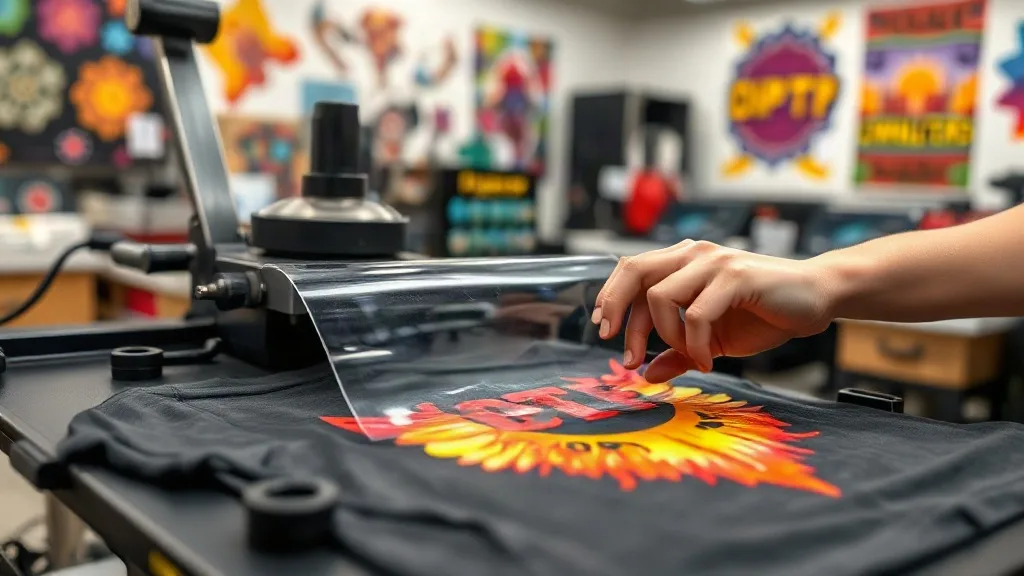
You've invested in quality dtf transfers, set up your heat press, and followed the instructions, but something still went wrong. Maybe the design peeled after the first wash, the colors look dull, or the texture feels like plastic. Frustrating, right? You're not alone. Even seasoned professionals encounter hiccups with dtf printing, but the good news is that most issues are fixable with a few adjustments. In this troubleshooting guide, we'll walk you through the most common DTF transfer problems and how to solve them, so you can achieve flawless results every time.
Why DTF Transfers Sometimes Fail
DTF transfers are renowned for their versatility and vibrant colors, but they're not immune to mistakes. The process involves several variables: the printer, ink, powder, film, heat press, and fabric. A small error in any of these can lead to a failed transfer. Understanding the root causes is the first step to troubleshooting. Let's break down the typical culprits:
- Inconsistent powder application: Too much or too little adhesive powder can cause poor adhesion or a rough texture.
- Improper pressing parameters: Incorrect temperature, pressure, or time can prevent the transfer from bonding correctly.
- Moisture and humidity: DTF film and powder are sensitive to environmental conditions.
- Fabric compatibility: Not all fabrics work well with DTF; some require special handling.
- Storage and handling: Transfers stored incorrectly can absorb moisture or get contaminated.
By identifying which of these factors is at play, you can quickly resolve most issues. Let's dive into specific problems and their solutions.
Common DTF Transfer Issues and Fixes
1. The transfer peels off after washing
This is perhaps the most common complaint. If your design lifts or peels after a wash, it's usually due to insufficient adhesion during pressing. Here's what to check:
- Pressure: Ensure your heat press applies even, medium pressure. Too little pressure prevents the adhesive from penetrating the fabric fibers.
- Temperature: Verify that your press is at the correct temperature (typically 300-320°F or 150-160°C). Use a heat gun or infrared thermometer to confirm.
- Time: Press for the recommended duration, usually 10-15 seconds. Don't rush it.
- Peel method: DTF transfers can be peeled hot or cold, but cold peel is often more reliable. Wait until the transfer is completely cool before peeling the film.
- Fabric preparation: Pre-press the garment to remove moisture and wrinkles. Moisture can create steam that hinders adhesion.
If you've checked all these and the problem persists, try increasing pressure slightly or extending the press time by a couple of seconds. Also, ensure the fabric is compatible; some synthetic fabrics with heavy coatings may resist adhesion.
2. Colors appear dull or faded
DTF transfers are known for their vibrant colors, so dullness is disappointing. Several factors can cause color fade:
- Ink quality: Use high-quality DTF inks designed for your printer. Cheap inks may not saturate properly.
- Powder application: Excess powder can obscure the colors. Shake off excess powder gently before curing.
- Curing: Properly cure the powder with a heat gun or in an oven. Under-cured powder can leave a hazy appearance.
- Pressing temperature: Excessive heat can scorch the ink, causing colors to fade. Stick to the recommended temperature range.
- Fabric color: DTF transfers are opaque, but on very dark fabrics, colors may appear slightly muted. Consider a white underbase for brighter results.
Also, check that your printer's print head is clean and nozzles are firing correctly. A clogged nozzle can lead to missing colors or banding.
3. The transfer feels rough or plastic-like
DTF transfers should have a soft hand feel, but sometimes they end up stiff or rubbery. This usually points to powder issues:
- Too much powder: Excess adhesive powder creates a thick, rough layer. Aim for a light, even coating. You can use a powder shaker for better control.
- Powder type: Use fine-grade DTF powder. Coarse powder can feel gritty.
- Curing temperature: Over-curing the powder can make it hard and brittle. Follow the powder manufacturer's guidelines.
- Pressing pressure: Excessive pressure can embed the powder deeply, but it can also flatten the design, making it feel stiffer. Use medium pressure.
If the texture is still unsatisfactory, try a different brand of powder or adjust your application technique. Some printers allow you to use less powder by applying it more precisely.
4. The transfer cracks or breaks apart
Cracking can occur if the transfer is stretched beyond its elasticity or if the adhesive is weak. Consider these fixes:
- Fabric stretch: DTF transfers have limited stretch. On highly elastic fabrics like spandex, they may crack. Choose designs with less fine detail for stretchy materials.
- Powder coverage: Ensure even powder coverage; weak spots can lead to cracks.
- Pressing: Make sure the transfer is fully bonded. Incomplete adhesion can cause the film to crack during washing.
- Storage: Store transfers flat and away from moisture. Cracked film before pressing indicates dryness or damage.
For stretchy fabrics, consider using a stretchable DTF transfer or blending the design with the fabric's stretch direction.
5. The film is difficult to peel
Peeling the film should be straightforward, but sometimes it sticks. This is often due to:
- Pressing too long or too hot: This can melt the film onto the fabric. Reduce temperature or time slightly.
- Insufficient cooling: If hot peeling, the film may be too soft and tear. Wait for it to cool completely for cold peel.
- Powder on the film edge: Excess powder on the edges can cause the film to stick. Trim any excess powder before pressing.
- Film quality: Low-quality film may not release cleanly. Use reputable DTF film.
If the film tears during peeling, try peeling at a sharper angle or using a peeling tool.
6. The transfer looks glossy or shiny
Some DTF transfers have a slight sheen, but excessive gloss can be undesirable. This can result from:
- Over-pressing: Too much heat can make the adhesive glossy. Lower the temperature.
- Powder type: Some powders are glossier than others. Try a matte finish powder.
- Fabric texture: On smooth fabrics, the transfer may appear shinier. Consider a matte overlaminate if available.
Experiment with different powders and pressing parameters to achieve the desired finish.
Preventive Measures for Flawless DTF Transfers
While troubleshooting is useful, prevention is better. Here are some best practices to avoid issues altogether:
- Store transfers properly: Keep them in a cool, dry place, away from direct sunlight. Use airtight containers to prevent moisture absorption.
- Control humidity: Ideal humidity is around 50-60%. Use a dehumidifier if necessary.
- Regular maintenance: Clean your printer, check nozzles, and calibrate your heat press regularly.
- Test prints: Always do a test press on a scrap fabric before pressing the final garment.
- Follow instructions: Each transfer type may have specific pressing parameters. Always refer to the manufacturer's guidelines.
By incorporating these habits, you'll minimize errors and extend the life of your equipment and supplies.
When to Seek Professional Help
If you've tried all the troubleshooting steps and still face issues, it might be time to consult a professional. Many suppliers, including dtf transfers near me services, offer technical support. They can provide insights specific to your equipment and environment. Additionally, consider joining online forums or local printing groups where experienced users share their solutions.
Remember, DTF printing is a skill that improves with practice. Don't get discouraged by occasional setbacks; each problem you solve makes you more proficient.
Frequently Asked Questions
Why do my DTF transfers crack after washing?
Cracking usually indicates insufficient adhesion or over-stretching. Ensure proper pressure and temperature during pressing, and avoid stretching the transfer beyond its limits. Also, check that the fabric is compatible and that the transfer is fully cooled before peeling.
How can I make my DTF transfers feel softer?
Use less powder and ensure it's evenly applied. Fine-grade powder and proper curing can also reduce stiffness. Additionally, pressing with medium pressure and avoiding over-curing will help maintain a soft hand feel.
What's the best way to store DTF transfers?
Store them flat in a cool, dry place, away from moisture and direct sunlight. Airtight containers or resealable bags are ideal. Avoid folding or creasing the transfers.
Can I use DTF transfers on all fabric types?
DTF works on most fabrics, including cotton, polyester, blends, and even some nylons. However, highly elastic fabrics may cause cracking, and some coated fabrics may resist adhesion. Always test on a small area first.
Why are my DTF colors not as vibrant as expected?
Dull colors can result from low-quality ink, excessive powder, under-curing, or too high pressing temperature. Use quality supplies, apply powder sparingly, and follow recommended curing and pressing parameters.