
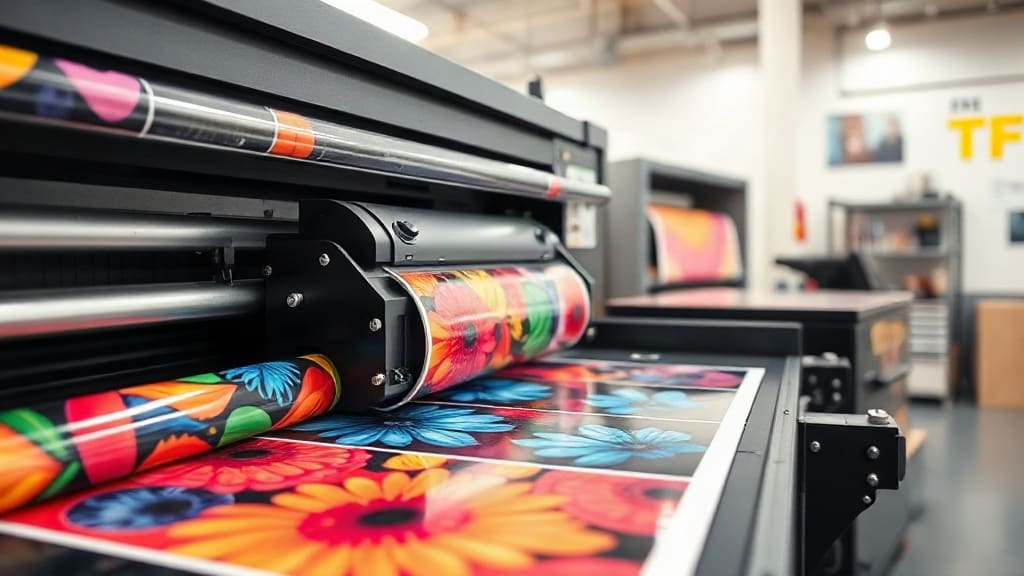
If you're in the custom apparel business or just love creating your own shirts, you've probably searched for dtf transfers online. The convenience of ordering from home is great, but sometimes you need a local supplier who can deliver quickly or offer hands-on advice. That's when you find yourself typing "dtf transfers near me" into Google. But how do you know which local shop is truly good? In this guide, I'll share everything I've learned through trial and error, from what makes a quality transfer to how to test suppliers before committing.
What Exactly Are DTF Transfers?
DTF (Direct to Film) transfers are a game-changer in the printing world. Unlike screen printing, which requires screens and setup, DTF printing involves printing your design onto a special film, dusting it with adhesive powder, and then heat-pressing it onto fabric. The result is a vibrant, durable print that works on everything from cotton to polyester, and even on hard surfaces like mugs and tote bags. This versatility is why dtf transfers have become so popular among small business owners and hobbyists.
When you order from a local shop, you can walk in, see their equipment, and even ask for a sample before placing a bulk order. That level of personal interaction is impossible with an online-only supplier, and it can save you from costly mistakes.
Why Look for DTF Transfers Near Me?
There are several advantages to finding a nearby supplier for your dtf transfers:
- Faster turnaround: No shipping delays, especially if you have a last-minute order.
- Lower shipping costs: You can pick up your transfers and skip shipping fees altogether.
- Better quality control: You can inspect the film, the print quality, and even test a transfer on the spot.
- Direct communication: If there's a problem, you can talk to someone face-to-face and resolve it quickly.
- Support local business: You're helping your local economy, which is always a bonus.
But not all local shops are created equal. In my experience, some have outdated equipment or use low-quality films, which leads to cracking or peeling after a few washes. That's why it's crucial to do your homework before choosing a supplier.
How to Find the Best DTF Transfer Printers
When I first started searching for dtf transfers near me, I made the mistake of picking the first shop that appeared in the search results. After a few disappointing orders, I learned to evaluate suppliers more carefully. Here's what I recommend:
1. Check Their Portfolio
A reputable shop will have a portfolio of their work. Ask to see samples of their transfers, both printed and applied. Look for vibrant colors, sharp edges, and a soft hand feel. If they're hesitant to show samples, that's a red flag.
2. Ask About Their Equipment
The quality of DTF printing depends heavily on the printer, film, and adhesive powder. Look for shops that use high-quality Epson printers (or equivalent) and premium films like those from trusted brands. You don't need to know all the technical details, but asking about their setup shows you're informed and may prompt them to be transparent about their processes.
3. Test Their Customer Service
Before placing a big order, send them a small test design. Pay attention to how they handle the inquiry. Do they respond quickly? Are they helpful? Do they offer advice on file setup? A supplier who invests time in helping you is likely to care about the quality of their product.
4. Read Reviews and Ask Around
Online reviews can be helpful, but don't rely solely on them. Ask other local business owners or members of Facebook groups for recommendations. Word of mouth is often the most reliable way to find a gem.
What to Look for in High-Quality DTF Transfers
When you receive your dtf transfers, there are several things to check to ensure they meet your standards:
- Opacity: The white ink layer should be opaque enough to make colors pop on dark fabrics.
- Adhesive quality: The powder should be evenly applied and provide a strong bond after pressing.
- Color accuracy: The printed colors should match your design, without banding or fading.
- Edge definition: Fine lines and small text should be crisp, not blurry or fuzzy.
- Soft hand feel: After pressing, the print should feel soft to the touch, not stiff or plasticky.
If you're not sure how to test these, ask the supplier for a sample transfer and press it onto a fabric you plan to use. Wash it a few times to see how it holds up. This simple test can save you from future headaches.
Common Mistakes to Avoid with DTF Transfers
Even with a great supplier, mistakes can happen during the application process. Here are some pitfalls I've encountered and how to avoid them:
1. Incorrect Press Settings
Each DTF transfer has recommended temperature, pressure, and time settings. If you don't follow them, the adhesive might not activate fully, leading to peeling. Always ask for the manufacturer's specifications and test on a scrap piece of fabric first.
2. Not Pre-Pressing Your Garment
Moisture and wrinkles can affect the adhesion. Pre-press your garment for a few seconds to remove moisture and flatten the area where you'll place the transfer.
3. Peeling While Hot
Most DTF transfers require you to wait a few seconds before peeling the film. If you peel too soon, the design may lift or stretch. Check the instructions; typically, you should peel cold for certain films or warm for others.
4. Using the Wrong Film Adhesive
Some transfers are designed for light garments, others for dark. Using the wrong type can result in poor adhesion or visible edges. Make sure you order the correct variant for your project.
Why Quality Matters More Than Price
I'll be honest: I've been tempted by cheap dtf transfers from discount suppliers. But after experiencing cracked prints and unhappy customers, I've learned that quality is worth the extra cost. A low-quality transfer might save you a few dollars upfront, but it can ruin your reputation and lead to returns or refunds. In the long run, investing in high-quality transfers from a reliable supplier pays off.
When you search for dtf transfers near me, don't just compare prices. Factor in the cost of reprints, wasted materials, and the potential loss of customer trust. A slightly higher price per transfer is a small price to pay for peace of mind.
How to Build a Long-Term Relationship with Your Local DTF Supplier
Once you find a supplier that meets your standards, it's beneficial to build a strong relationship. Here are some tips:
- Order consistently: Even if you don't need transfers every week, place regular orders to stay on their radar.
- Provide clear feedback: If something is wrong, tell them constructively. Good suppliers appreciate feedback and will work to improve.
- Refer others: If you're happy, recommend them to other businesses. This strengthens your standing and may lead to perks.
- Ask for advice: They've likely seen more designs and problems than you have. Don't hesitate to ask for their input on tricky projects.
Future of DTF Transfers
The DTF industry is evolving rapidly. New films and powders are being developed that offer better stretchability and washability. Some suppliers are even offering eco-friendly options. By staying connected with your local supplier, you'll be among the first to know about these innovations.
In addition, as more businesses realize the benefits of dtf transfers, the demand for local services is likely to increase. This is a great time to establish yourself as a knowledgeable customer who knows what they want.
Frequently Asked Questions
How do I choose between DTF and screen printing?
DTF is more versatile and cost-effective for small to medium runs, while screen printing is better for very large quantities of the same design. DTF also allows for full-color prints without extra setup costs, making it ideal for complex designs.
Can I use DTF transfers on any fabric?
Yes, DTF transfers work on cotton, polyester, blends, and even nylon. However, the best results are achieved on 100% cotton or cotton-poly blends. For high-synthetic fabrics, you may need to adjust the temperature and pressure.
How long do DTF transfers last?
With proper application and care, DTF transfers can last for many washes without cracking or fading. The key is to follow the recommended washing instructions: wash inside out, in cold water, and avoid tumble drying on high heat.
What file format should I provide to the printer?
Most printers accept PNG files with a transparent background. Ensure your design has a resolution of at least 300 DPI for crisp results. If you're unsure, ask your supplier; they may provide templates or guidelines.
How much do DTF transfers cost?
Pricing varies depending on the size, quantity, and complexity of the design. On average, you can expect to pay between $2 and $5 per transfer for small orders, with discounts for larger quantities. Local suppliers may have different pricing structures, so it's best to request a quote.
Conclusion
Finding the right dtf transfers supplier is crucial for your printing projects. While online options are convenient, searching for "dtf transfers near me" can lead you to local experts who offer speed, quality, and personalized service. By taking the time to vet potential suppliers, testing their products, and building a relationship, you'll ensure that every order meets your expectations. Remember, the cheapest option is rarely the best when it comes to quality and reliability. So next time you need transfers, consider supporting a local business that can help you grow your own. Happy printing!