
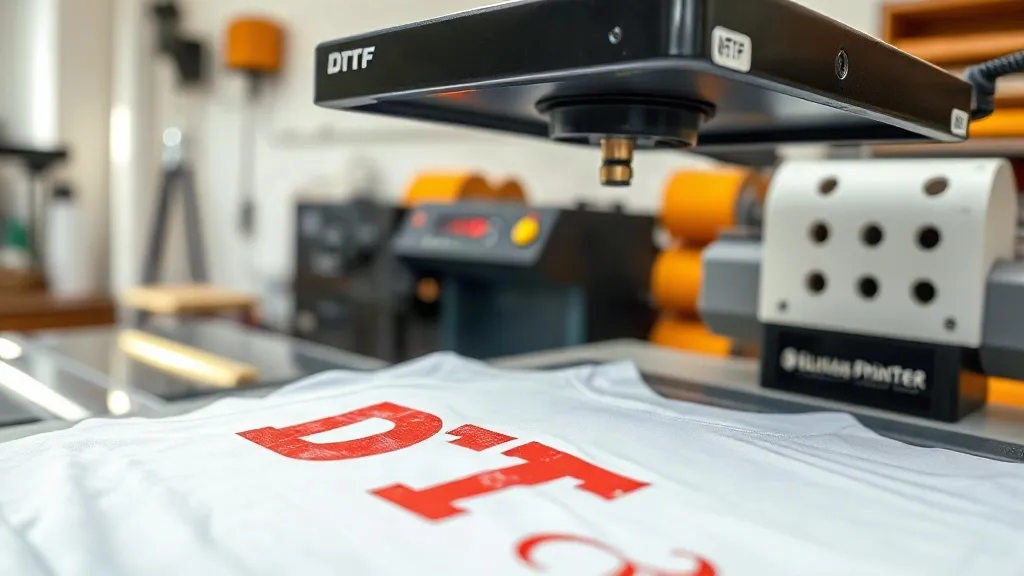
If you've been exploring custom apparel printing, you've likely encountered the term dtf printing. This innovative method has quickly become a favorite among hobbyists and professionals alike, offering vibrant colors and exceptional durability on a wide range of fabrics. In this guide, we'll dive deep into dtf transfers, explaining the process, benefits, and practical tips to help you achieve professional results.
What is DTF Printing?
DTF stands for Direct to Film. It's a printing technique where your design is printed onto a special PET film using water-based inks, then coated with a hot-melt adhesive powder. The film is then cured and can be transferred onto fabric using a heat press. Unlike DTG (Direct to Garment) or screen printing, DTF doesn't require pre-treatment of the fabric or specialized equipment beyond a printer, powder, and heat press. This makes it accessible for small businesses and home-based creators.
How DTF Transfers Work: Step by Step
Understanding the process helps you troubleshoot and optimize your results. Here's a breakdown of the key steps:
- Design Preparation: Create your artwork in a graphics program. Remember to mirror the image horizontally before printing, as the film will be flipped during transfer.
- Printing: Use a DTF printer with CMYK and white inks. The white ink acts as a base, allowing the design to show up on dark fabrics.
- Powdering: While the ink is still wet, apply hot-melt adhesive powder evenly over the print. Shake off excess.
- Curing: Place the film in a curing oven or under a heat press at around 160°C (320°F) for 2-3 minutes to melt the powder.
- Transfer: Set your heat press to 160-170°C (320-340°F) with medium pressure. Press the film onto the fabric for 10-15 seconds.
- Peel: Wait for the film to cool completely (cold peel) before removing it. This ensures the design adheres fully.
Each step is crucial; skipping or rushing can lead to poor adhesion or faded colors.
Why Choose DTF Transfers?
DTF transfers offer several advantages over other printing methods:
- Versatility: Works on cotton, polyester, blends, and even leather. No need for different inks or pre-treatment.
- Durability: The prints withstand repeated washing without cracking or fading, thanks to the adhesive powder.
- Detail and Color: DTF can reproduce intricate details and gradients with vibrant colors, including white ink for dark garments.
- Cost-Effective for Small Runs: No minimum order quantity; you can print one-offs as easily as bulk orders.
- No Weeding: Unlike vinyl, there's no tedious cutting and weeding process.
These benefits make DTF a go-to for custom t-shirts, hoodies, tote bags, and more.
DTF vs. Other Printing Methods
How does DTF stack up against DTG, screen printing, and vinyl? Let's compare:
- DTG: Best for 100% cotton, but requires pre-treatment and can be less durable. DTF works on more fabrics and often outlasts DTG.
- Screen Printing: Cost-effective for large orders but impractical for small batches or complex designs. DTF excels in short runs and detailed artwork.
- Vinyl: Limited to simple designs and requires weeding. DTF handles full-color images effortlessly.
While each method has its place, DTF's flexibility makes it a strong contender for diverse projects.
Getting Started with DTF Printing
Ready to try DTF? Here's what you'll need:
- DTF Printer: Options range from converted Epson printers to dedicated DTF machines. Ensure it uses DTF inks.
- DTF Film: Available in rolls or sheets; choose matte or glossy based on your preference.
- Hot-Melt Powder: Fine or medium grade; fine powder gives smoother results.
- Heat Press: A quality press with even pressure and temperature control is essential.
- Curing Oven (optional): For larger operations, a curing oven speeds up the powder melting.
Start with a small setup to learn the ropes, then scale as you grow.
Tips for Perfect DTF Transfers
Avoid common pitfalls with these expert tips:
- Control Humidity: High humidity can affect powder adhesion. Work in a dry environment.
- Even Powder Application: Too much powder leads to a stiff feel; too little causes poor washability.
- Proper Curing: Under-curing means the design peels off; over-curing can burn the film. Use a timer and thermometer.
- Pressure Matters: Insufficient pressure results in incomplete transfer. Adjust your heat press accordingly.
- Test Wash: Always perform a wash test on a sample before selling or wearing.
With practice, you'll develop a feel for the right settings.
Applications of DTF Transfers
DTF isn't just for t-shirts. Its versatility extends to:
- Sportswear: Polyester jerseys and shorts benefit from DTF's stretchability.
- Denim Jackets: Add bold designs without the stiffness of vinyl.
- Canvas Bags: Personalize totes with detailed graphics.
- Corporate Uniforms: Create branded apparel for teams and events.
- Home Decor: Customize pillows, aprons, and more.
The possibilities are vast, limited only by your creativity.
Frequently Asked Questions
How long do DTF transfers last?
With proper application and care, DTF transfers can last as long as the garment itself. They withstand 50+ washes without significant fading or cracking when applied correctly.
Can I use DTF on 100% polyester?
Yes, DTF works well on polyester, including blends. The key is to use lower heat settings to avoid scorching the fabric.
Do I need a special printer for DTF?
You can convert a standard Epson printer with DTF inks and a bulk ink system, or purchase a dedicated DTF printer. Dedicated printers are more reliable for consistent results.
What is the difference between DTF and DTG?
DTG prints directly onto the garment, often requiring pre-treatment and working best on cotton. DTF prints onto a film first, then transfers to the fabric, allowing use on more materials and offering better durability.
How do I store DTF transfers?
Store unused transfers in a cool, dry place away from direct sunlight. Keep them flat or rolled to prevent creasing.
Final Thoughts
DTF printing is a game-changer for custom apparel. Its ability to produce vibrant, durable designs on almost any fabric makes it an invaluable tool for businesses and creators. By following the steps and tips outlined here, you'll be well on your way to mastering dtf transfers. Whether you're starting a clothing line or just making gifts for friends, DTF offers the quality and flexibility you need. So why wait? Dive into the world of DTF and unleash your creativity.