
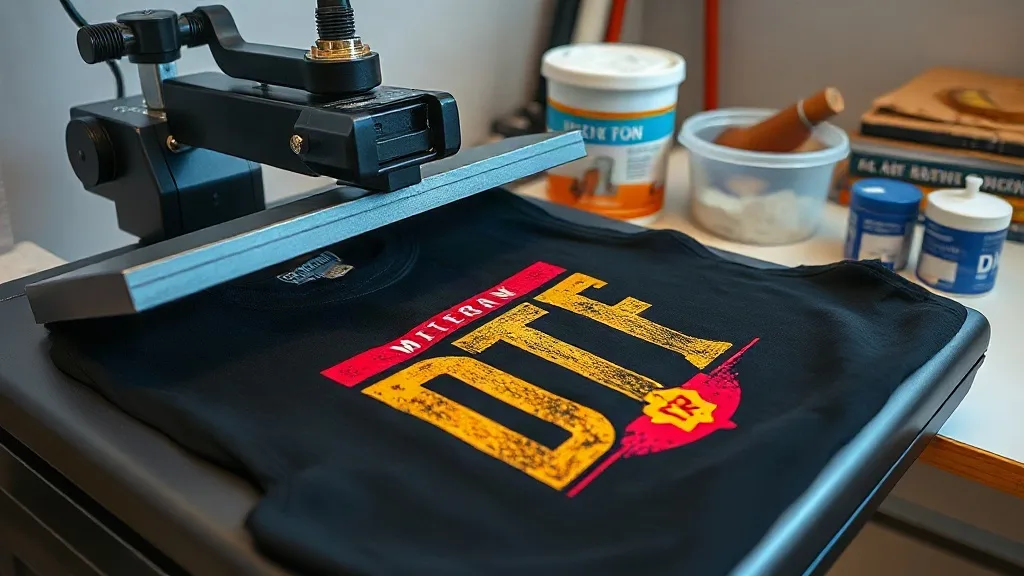
If you've been exploring custom apparel printing, you've likely encountered dtf transfers. This innovative technology is transforming the way designers and small business owners approach fabric printing. Unlike traditional methods, DTF (Direct to Film) offers unmatched versatility and durability. In this guide, we'll break down everything you need to know about DTF transfers, from how they work to why they might be the perfect solution for your next project.
What Are DTF Transfers?
DTF transfers are printed designs on a special film that can be heat-pressed onto various fabrics. The process involves printing your artwork onto a PET film using specialized dtf inks, then applying a powder adhesive while the ink is still wet. Once the powder melts, the design is ready to be transferred onto fabric using a heat press. This method is compatible with a wide range of materials, including cotton, polyester, blends, and even nylon. The result is a soft, stretchable print that withstands repeated washing without cracking or fading.
Why Choose DTF Transfers?
There are several reasons why DTF transfers have become a favorite among print shops and hobbyists alike. Here are the key benefits:
- Versatility: DTF works on almost any fabric, including dark and light colors, without the need for pre-treatment.
- Durability: The prints are highly resistant to washing, peeling, and cracking, ensuring long-lasting results.
- Cost-effective: No need for expensive setup or minimum order quantities, making it ideal for small batches and custom orders.
- High detail: DTF can reproduce intricate designs with fine lines and gradients, perfect for detailed artwork.
- Eco-friendly: Compared to other methods, DTF produces less waste and uses water-based inks.
How to Apply DTF Transfers
Applying DTF transfers is straightforward, but following the correct steps ensures a professional finish. Here's a step-by-step guide:
- Preheat your heat press to the recommended temperature (usually around 300°F to 320°F).
- Place your garment on the press and pre-press for a few seconds to remove moisture.
- Position the DTF transfer onto the fabric with the printed side facing up.
- Press with medium pressure for 10-15 seconds.
- Peel the film while it's still hot (or cold, depending on the film type).
- Post-press for a few seconds to ensure the print is fully bonded.
For best results, always refer to the instructions provided by your DTF transfer supplier. If you're looking for dtf transfers near me, dtftouch.com offers high-quality transfers with fast shipping.
DTF vs. Other Printing Methods
To appreciate DTF, it helps to compare it with other common printing techniques:
- Screen Printing: While cost-effective for large orders, screen printing requires setup and is less suitable for detailed designs. DTF excels in small batches and complex artwork.
- Heat Transfer Vinyl (HTV): HTV is limited to simple shapes and solid colors. DTF can handle full-color, photographic designs.
- Direct-to-Garment (DTG): DTG is primarily for cotton and often requires pre-treatment. DTF works on more fabrics and has a softer feel.
- Sublimation: Sublimation only works on light-colored polyester. DTF is more versatile across fabrics and colors.
Tips for Successful DTF Printing
To get the most out of your DTF transfers, keep these tips in mind:
- Use quality materials: Invest in good DTF film and powder to avoid issues like clogging or poor adhesion.
- Control moisture: Store transfers in a dry place and pre-press garments to remove moisture.
- Test your settings: Each heat press may vary; always do a test press to find the optimal temperature and pressure.
- Handle with care: Avoid touching the printed area before pressing, as oils from your skin can affect adhesion.
Common Mistakes to Avoid
Even experienced users can run into problems. Here are some common pitfalls and how to avoid them:
- Insufficient pressure: This can cause the transfer to peel. Ensure your press applies even pressure.
- Wrong temperature: Too hot can scorch the fabric; too cold can result in poor adhesion. Always follow the recommended settings.
- Peeling too early or too late: Follow the film's instructions for hot or cold peel to avoid damaging the design.
- Ignoring fabric type: Some fabrics may require lower temperatures. Always test on a swatch first.
Where to Buy DTF Transfers
When sourcing DTF transfers, quality is paramount. Look for suppliers that use high-quality inks and films, and offer consistent results. dtftouch.com provides premium DTF transfers with vibrant colors and excellent durability. Whether you need a few custom transfers or bulk orders, they have you covered. Plus, their fast turnaround ensures you meet your deadlines.
Frequently Asked Questions
Can I use DTF transfers on 100% cotton?
Yes, DTF transfers work beautifully on 100% cotton. The adhesive powder bonds well with cotton fibers, resulting in a soft and durable print. Unlike DTG, no pre-treatment is required.
How long do DTF transfers last?
With proper application and care, DTF transfers can last as long as the garment itself. They are resistant to cracking, peeling, and fading even after multiple washes.
Do I need a special printer for DTF?
To create your own DTF transfers, you need a DTF printer and specialized DTF inks. However, if you're just starting, you can order pre-printed transfers from a supplier like dtftouch.com.
What is the best temperature for pressing DTF transfers?
The ideal temperature is typically between 300°F and 320°F (150°C to 160°C). However, always check the instructions provided with your transfer, as different films may have specific requirements.
Can I stretch DTF prints?
Yes, DTF prints are stretchable and flexible, making them suitable for athletic wear and other garments that require movement. The print will stretch with the fabric without cracking.
DTF transfers are a game-changer for anyone in the custom apparel industry. With their versatility, durability, and ease of use, they offer endless possibilities for creativity. Whether you're a small business owner or a DIY enthusiast, mastering DTF transfers can elevate your projects to the next level. Start experimenting today and see the difference for yourself.