
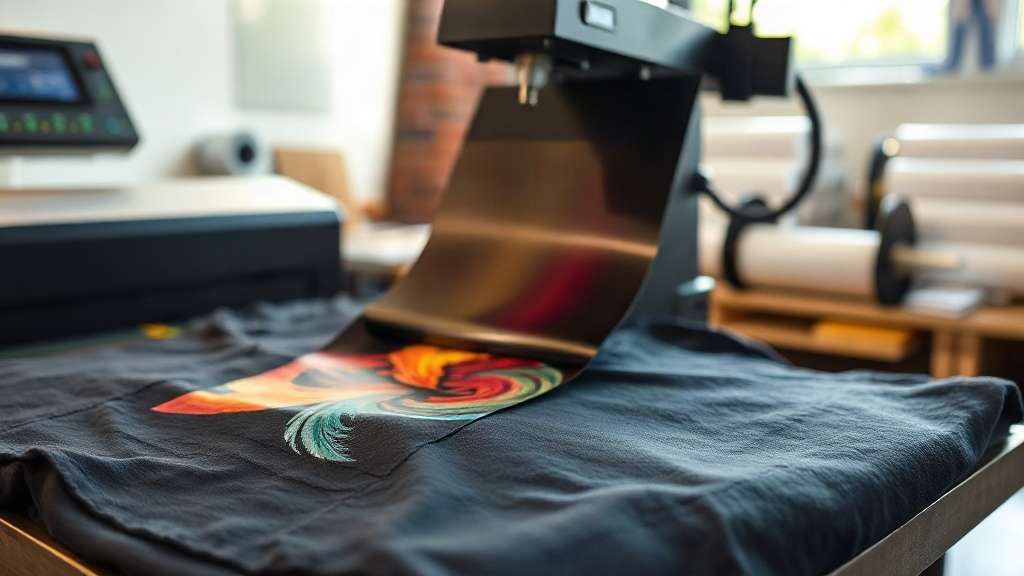
When it comes to custom apparel, the method you choose for printing can make or break the final product. Among the many options, DTF Transfers have emerged as a game-changer for both hobbyists and professionals. Unlike traditional screen printing or vinyl, DTF transfers offer a unique combination of vibrant colors, fine detail, and incredible durability, all without the need for expensive equipment or messy chemicals. In this guide, we'll dive deep into the world of DTF transfers, exploring how they work, why they're taking the industry by storm, and how you can use them to create stunning custom garments that stand out.
What Are DTF Transfers?
DTF stands for Direct-to-Film. It's a printing technology where your design is first printed onto a special PET film using a DTF printer. The printer lays down a layer of white ink, followed by CMYK colors, and then a powdered hot-melt adhesive is applied to the wet ink. After curing, you have a flexible, transferable film that can be heat-pressed onto various fabrics. The result? A soft, stretchable, and wash-resistant print that feels like it's part of the fabric.
The DTF Printing Process Step by Step
Understanding the process helps you appreciate the magic behind DTF Transfers. Here's a breakdown:
- Design Preparation: Your artwork is prepared digitally, ensuring colors are vibrant and details are sharp.
- Printing: A DTF printer prints the design onto a PET film. White ink is typically printed first as a base, followed by CMYK inks.
- Powdering: While the ink is still wet, a thermoplastic powder is sprinkled over the print. The powder sticks to the ink.
- Curing: The film passes through a curing oven or heat press to melt the powder, creating a adhesive layer.
- Transfer: The film is placed on the fabric and heat-pressed. The adhesive melts, bonding the ink to the fabric. After cooling, the film is peeled away, leaving the design behind.
Why Choose DTF Transfers Over Other Methods?
If you're wondering whether DTF is right for your project, consider these advantages:
- No Weeding or Cutting: Unlike vinyl, DTF transfers don't require tedious weeding. You simply print, powder, cure, and press.
- Works on Almost Any Fabric: Cotton, polyester, blends, even leather and nylon. DTF adheres beautifully to a wide range of materials.
- Vibrant, Full-Color Prints: DTF printers use CMYK+White, allowing for photorealistic images and gradients without color limitations.
- Durability: When applied correctly, DTF prints withstand dozens of washes without fading, cracking, or peeling.
- Cost-Effective for Short Runs: No setup fees or minimums. Ideal for one-off custom pieces or small batches.
- Soft Hand Feel: The prints are thin and flexible, moving with the fabric.
DTF vs. DTG vs. Screen Printing
How does DTF stack up against other popular methods?
- DTG (Direct-to-Garment): DTG prints directly onto the garment, but it requires pre-treatment and works best on 100% cotton. DTF works on more fabrics and often produces more vibrant colors on dark shirts.
- Screen Printing: Screen printing is cost-effective for large orders but requires setup and is limited in color complexity. DTF excels for detailed, multi-color designs without setup costs.
- Vinyl: Vinyl is great for simple text and shapes but can't handle complex images. DTF handles full-color graphics with ease.
Applications of DTF Transfers
From custom t-shirts to branded workwear, DTF transfers are incredibly versatile. Here are some popular uses:
- Custom T-Shirts: Create personalized tees for events, teams, or gifts.
- Sportswear: Add numbers, names, and logos to jerseys and activewear.
- Corporate Apparel: Brand polos, hoodies, and jackets with your company logo.
- Fashion and Boutique Clothing: Produce small-batch designer pieces with intricate prints.
- Promotional Items: Tote bags, caps, and more.
Tips for Perfect DTF Transfers
To get the best results, follow these expert tips:
- Choose the Right Film: Not all DTF films are created equal. Look for films designed for your printer and ink.
- Control Moisture: Fabric should be dry and lint-free. Pre-press garments to remove moisture.
- Optimize Heat Press Settings: Typically, 325°F for 15-20 seconds with medium pressure. Always test with a sample.
- Peel Correctly: Wait for the transfer to cool completely before peeling (cold peel) for a matte finish, or peel hot for a glossy look.
- Wash Inside Out: To extend the life of your print, wash inside out in cold water and tumble dry low.
Common Mistakes to Avoid
Even seasoned pros can slip up. Avoid these pitfalls:
- Under-curing the Powder: If the powder isn't fully melted, the transfer won't adhere properly.
- Too Much Pressure: Excessive pressure can cause the ink to spread, resulting in a blurry image.
- Incompatible Fabric: While DTF works on many fabrics, some highly textured or coated materials may not bond well.
- Improper Storage: Store unused transfers in a cool, dry place away from direct sunlight.
Frequently Asked Questions About DTF Transfers
How long do DTF transfers last on a shirt?
With proper application and care, DTF transfers can last 50+ washes. The key is to follow the heat press instructions precisely and wash the garment inside out in cold water.
Can I use DTF transfers on polyester?
Absolutely! DTF transfers adhere well to polyester and polyester blends. In fact, they often produce better results on polyester than DTG printing.
Do I need a special printer for DTF transfers?
Yes, DTF printing requires a DTF printer that uses DTF inks and film. However, you can also buy pre-printed DTF transfers from suppliers and apply them with a heat press.
What's the difference between DTF and DTG?
DTF involves printing onto a film and then transferring to the garment, while DTG prints directly onto the garment. DTF works on more fabric types and often yields more vibrant colors on dark materials.
How do I store DTF transfers?
Store them in a cool, dry place, away from direct sunlight and moisture. Keep them flat or rolled, not folded, to prevent creasing.
With their versatility, durability, and stunning results, DTF Transfers are a fantastic choice for anyone looking to create custom apparel. Whether you're a small business owner, a hobbyist, or a professional printer, mastering DTF can open up a world of creative possibilities. So why not give it a try? Your customers (or yourself) will love the vibrant, long-lasting prints.