
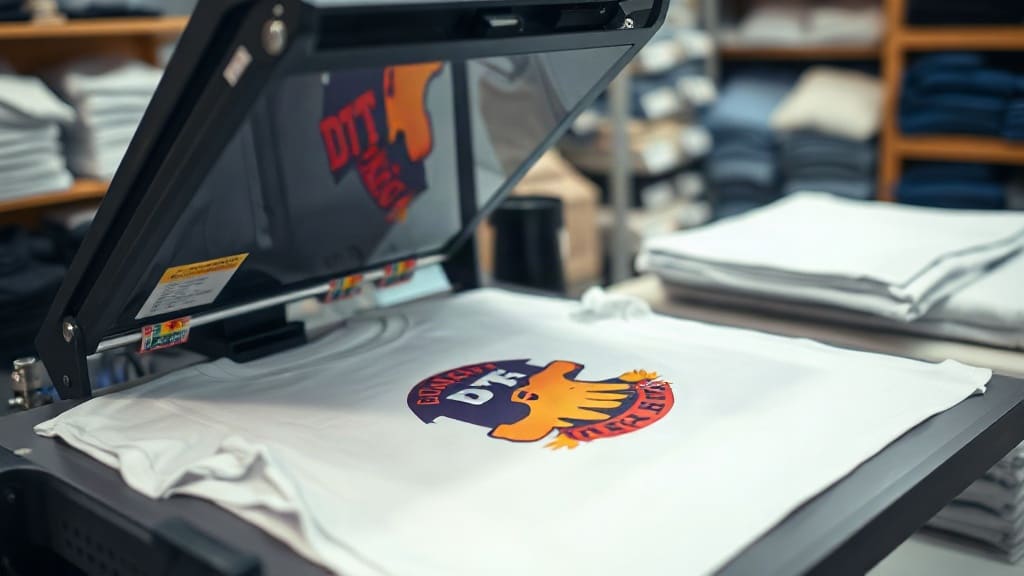
If you've been exploring custom printing options, you've likely come across DTF transfers. This innovative method has taken the apparel decoration world by storm, offering a versatile and cost-effective way to create vibrant designs on various fabrics. In this comprehensive guide, we'll dive deep into what DTF transfers are, how they compare to other methods, and how you can use them to elevate your printing projects.
DTF, which stands for Direct to Film, involves printing your design onto a special film, applying adhesive powder, and then heat-pressing it onto your garment. Unlike traditional screen printing or heat transfer vinyl, DTF transfers allow for high detail, soft hand feel, and the ability to print on diverse materials, including cotton, polyester, blends, and even leather. Whether you're a hobbyist or a professional printer, understanding the nuances of DTF can open up new possibilities for your business.
What Are DTF Transfers?
DTF transfers are pre-printed designs on a film that you can apply to fabric using a heat press. The process begins with printing your artwork onto a PET film using special DTF inks. Then, a hot-melt adhesive powder is applied to the wet ink, which is cured and dried. When you're ready to use the transfer, you place it on your garment, apply heat and pressure, and peel away the film, leaving behind a vibrant and durable print.
This technique stands out because it doesn't require weeding, unlike vinyl, and it works wonderfully with complex, multi-colored designs. It also offers excellent stretchability and washability, making it a favorite for sports apparel and everyday wear.
Why Choose DTF Transfers Over Other Methods?
To appreciate the value of DTF transfers, it's helpful to compare them with other popular printing methods.
DTF vs. Screen Printing
Screen printing is the classic method for bulk orders, but it requires significant setup time and cost, especially for multi-color designs. DTF transfers, on the other hand, have minimal setup, making them perfect for small to medium runs and even single items. The quality of DTF prints is comparable, with vibrant colors and sharp details, though screen printing still holds an edge in extremely large production volumes.
DTF vs. Heat Transfer Vinyl (HTV)
HTV is great for simple, single-color designs and offers a textured, plastic-like feel. It requires weeding, which is time-consuming for intricate designs. DTF transfers eliminate weeding entirely and provide a softer, more flexible print that feels like part of the fabric. Plus, DTF can replicate gradients and photographs with ease, which HTV cannot achieve.
DTF vs. Sublimation
Sublimation works only on polyester or polymer-coated surfaces and requires the dye to bond with the fibers at a molecular level. It produces permanent, vibrant prints but is limited to light-colored fabrics. DTF transfers work on virtually any fabric and color, including dark garments, without the need for a white underbase. This versatility makes DTF a more flexible choice for many applications.
How to Use DTF Transfers: A Step-by-Step Guide
Using DTF transfers is straightforward, but following the correct steps ensures the best results. Here's a detailed walkthrough:
- Prepare your artwork: Ensure your design is high-resolution (300 DPI) and in the correct color mode. Most DTF printers use CMYK plus white. Transparent backgrounds are best, as the white layer will act as an underbase.
- Print your design: Using a DTF printer, print the design onto the film. The printer applies the white ink first, then the CMYK colors. This order is crucial for vibrant colors on dark fabrics.
- Apply adhesive powder: While the ink is still wet, sprinkle the hot-melt adhesive powder evenly over the printed area. Shake off the excess.
- Dry and cure: Place the film in a dryer or use a heat gun to melt the powder. The powder should turn from a granular texture to a smooth, sticky layer.
- Prepare your garment: Lay your fabric flat on the heat press. Make sure it's wrinkle-free. Pre-press for a few seconds to remove moisture and wrinkles.
- Place the transfer: Position the film with the printed side face down on the garment where you want the design. The adhesive side should be against the fabric.
- Heat press: Apply firm pressure (medium to high, depending on your press) at a temperature of 320°F to 335°F (160°C to 168°C) for 10 to 15 seconds. The exact settings vary by film and ink manufacturer, so always test.
- Peel: After pressing, wait a few seconds for the film to cool slightly, then peel it off. Some films are hot-peel, while others are cold-peel. Check the manufacturer's instructions.
- Final press (optional): Some printers recommend a final press with a Teflon sheet or parchment paper to ensure full adhesion and a smooth finish.
Tips for Achieving Perfect DTF Transfers Every Time
Even with the right equipment, minor details can make a big difference. Here are some expert tips to help you get the best out of your DTF transfers.
- Test before full production: Always run a test print and press on a scrap fabric to dial in your settings. Variables like fabric type, press temperature, and pressure can affect the outcome.
- Use the right film: Not all films are created equal. Some are designed for specific inks or printers. Stick to the recommended film for your system to avoid smudging or poor adhesion.
- Shake the adhesive powder thoroughly: To ensure even coverage, use a shaker bottle or a spray adhesive powder applicator. Uneven powder can lead to weak spots in the transfer.
- Mind your pressure: Too little pressure can result in incomplete transfer, while too much can cause the design to crack or the fabric to scorch. Use the recommended pressure for your press.
- Pre-press for better results: Pre-pressing your garment removes moisture and wrinkles, which can interfere with adhesion. It's a small step that makes a big difference.
- Choose the right peel method: If your film is hot-peel, peel immediately after pressing. If it's cold-peel, wait until it's cool. Mixing these up can ruin your transfer.
Common Mistakes to Avoid with DTF Transfers
Learning from others' mistakes can save you time and money. Here are some pitfalls to steer clear of when using DTF transfers.
- Using the wrong temperature or time: Each transfer film has specific requirements. Ignoring them can lead to undercured or overcured prints, which affect durability.
- Skipping the test print: You might think your settings are correct, but colors can shift, and adhesive might not activate properly. Always test.
- Not using a cover sheet: Placing a Teflon sheet or parchment paper over the transfer before pressing protects the film and your heat press from adhesive residue.
- Overlooking the fabric type: While DTF works on many fabrics, some materials like nylon or certain performance fabrics may have lower heat tolerance. Adjust your temperature accordingly.
- Storing transfers improperly: Keep your printed transfers in a cool, dry place away from direct sunlight. Moisture can affect the adhesive powder.
Care Instructions for DTF Transfers
To ensure your DTF prints last, proper care is essential. Here are some guidelines to share with your customers or to follow yourself:
- Wash inside out: This protects the print from friction and abrasion.
- Use cold or warm water: Hot water can weaken the adhesive over time.
- Avoid bleach: Harsh chemicals can break down the ink and adhesive.
- Tumble dry low or hang dry: High heat in the dryer can cause cracking or peeling.
- Do not iron directly on the design: If you need to iron, use a cloth between the iron and the print.
The Future of DTF Transfers
As technology advances, DTF transfers are becoming even more accessible and efficient. Newer printers offer higher speeds and better color accuracy, while eco-friendly inks are reducing the environmental impact. Innovations in film technology are improving the softness of the print, making it nearly indistinguishable from screen printing. With the rise of print-on-demand services, DTF is poised to become a go-to method for small businesses and entrepreneurs looking to offer custom apparel without massive upfront costs.
Moreover, the versatility of DTF makes it an excellent choice for creating patches, labels, and even personalized items like tote bags and pillows. The possibilities are endless, and as more people discover the benefits, it's likely we'll see even more creative applications.
Frequently Asked Questions
Can DTF transfers be used on any fabric?
Yes, DTF transfers work on a wide range of fabrics, including cotton, polyester, blends, silk, nylon, and even leather. However, you should always test on a small area first to ensure the fabric can withstand the heat and pressure without damage.
How long do DTF transfers last?
With proper application and care, DTF transfers can last for many washes, often over 50. The durability depends on factors like fabric type, pressing conditions, and washing methods. Following the recommended care instructions will extend the life of your prints.
Do DTF transfers have a soft hand feel?
Yes, one of the main advantages of DTF is its soft, flexible feel. The adhesive layer is thin and integrates well with the fabric, so you won't get the stiff, rubbery feel associated with some other transfer methods.
Can I use DTF transfers for light-colored and dark-colored shirts?
Absolutely. DTF transfers are perfect for both light and dark fabrics because the white ink underbase ensures that your design pops regardless of the shirt color. This is a significant advantage over sublimation, which only works on light colors.
What equipment do I need to start making DTF transfers?
To make your own DTF transfers, you'll need a DTF printer (which can be converted from a regular inkjet or a purpose-built one), DTF inks, PET films, adhesive powder, and a heat press. If you're not ready to invest in all that, you can also purchase pre-made DTF transfers from suppliers like dtftouch.com, which offer custom printing services.
In conclusion, DTF transfers are a game-changer in the printing industry. They offer unmatched versatility, quality, and ease of use, making them ideal for both beginners and seasoned professionals. By understanding the process, avoiding common mistakes, and following best practices, you can produce stunning, durable prints that will impress your customers and elevate your brand. So why not give DTF transfers a try? Your next project might just become your best one yet.