
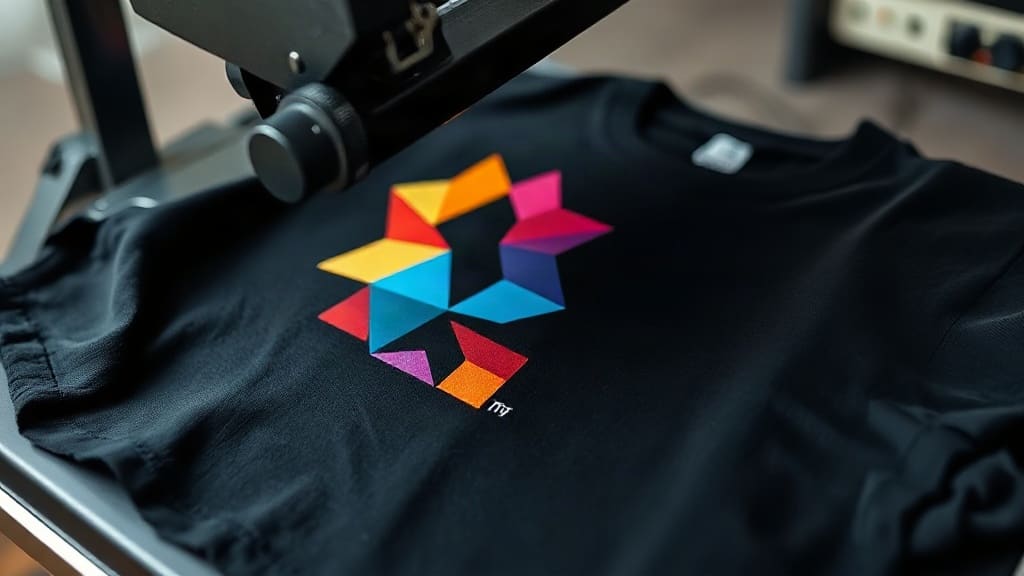
DTF transfers have revolutionized the custom apparel industry. If you're looking for a versatile, cost-effective way to create vibrant designs on various fabrics, DTF (Direct to Film) printing is your answer. Unlike traditional methods, this technique allows you to print your artwork onto a special film and then transfer it to garments using heat and adhesive powder. Whether you're a small business owner or a DIY enthusiast, understanding this process can open up endless possibilities.
What Are DTF Transfers?
DTF transfers are a modern printing method where designs are printed onto a PET film, coated with adhesive powder, and then heat-pressed onto fabric. The result is a durable, stretchable, and vibrant print that feels soft to the touch. This method stands out because it works on a wide range of materials, including cotton, polyester, blends, and even leather.
How Do DTF Transfers Work?
The process involves several key steps:
- Design Preparation: Your artwork is printed onto a special film using a DTF printer with CMYK + white ink.
- Adhesive Application: While the ink is still wet, a hot-melt adhesive powder is applied to the film.
- Curing: The film is heated to melt and cure the adhesive, ensuring it bonds properly during transfer.
- Transfer: The film is placed on the garment and pressed with a heat press at around 160°C (320°F) for 15-20 seconds.
- Peeling: After cooling, the film is peeled away, leaving the design perfectly transferred.
Key Benefits of Choosing DTF Transfers
Why are DTF transfers gaining so much popularity? Let's explore the advantages:
- Versatility: Works on almost any fabric, including blends, without needing pretreatment.
- Vibrant Colors: High opacity and color saturation, even on dark garments.
- Soft Hand Feel: The print is flexible and doesn't crack easily, even after multiple washes.
- Cost-Effective for Small Runs: No minimum order quantity; you can print just one item.
- Easy to Use: Suitable for beginners, as the process is straightforward with minimal equipment.
DTF Transfers vs. Other Printing Methods
To truly appreciate DTF, it's helpful to compare it with other popular techniques:
DTF vs. Screen Printing
Screen printing is excellent for large batches but requires significant setup and is costly for small orders. DTF offers greater flexibility and is perfect for on-demand printing, eliminating the need for screens and allowing detailed designs with a softer feel.
DTF vs. Direct-to-Garment (DTG)
DTG is great for cotton but struggles with polyester and dark fabrics. DTF excels on both light and dark materials, providing better color vibrancy and durability. Additionally, DTF allows you to print on items that cannot be placed in a DTG printer, such as hats or shoes.
DTF vs. Heat Transfer Vinyl (HTV)
While HTV is limited to solid colors and simple designs, DTF can produce full-color, photographic images with ease. DTF also offers a softer hand feel and better durability, making it a superior choice for complex graphics.
Why Choose DTF Touch for Your DTF Transfers?
When it comes to sourcing high-quality DTF transfers, DTF Touch stands out. We are not just a supplier; we are a partner in your creative journey. Here's what sets us apart:
- Premium Materials: We use top-grade PET films and adhesive powders to ensure vibrant, long-lasting prints.
- State-of-the-Art Equipment: Our advanced printers and heat presses guarantee precision and consistency.
- Expert Support: Our team provides guidance on design and application, ensuring your success.
- Fast Turnaround: We understand the importance of time, so we process orders quickly without compromising quality.
Tips for Achieving Perfect Results with DTF Transfers
To get the best out of your DTF prints, consider these practical tips:
- Calibrate Your Printer: Regular head cleaning and color calibration prevent banding and ensure accurate colors.
- Use the Right Adhesive Powder: Choose a powder that suits your fabric type; for stretchy materials, use a flexible adhesive.
- Consistent Pressure and Temperature: Follow the recommended heat press settings for your specific film and fabric.
- Test Before Bulk: Always run a test print to check color and adhesion before committing to a full batch.
- Proper Storage: Keep your films and powders in a cool, dry place to maintain their effectiveness.
Common Mistakes to Avoid
Even experienced printers can face issues. Here are some common pitfalls and how to avoid them:
- Insufficient Heat: If the press is too cool, the transfer won't adhere properly. Always preheat the garment and use a temperature gun.
- Too Much Adhesive: Over-powdering can make the design stiff and prone to cracking. Use just enough to cover the ink.
- Peeling Too Early: Wait until the film cools slightly before peeling to avoid lifting the design.
- Ignoring Fabric Type: While DTF works on most fabrics, blends may require slightly lower temperatures to avoid scorching.
FAQs About DTF Transfers
Can DTF transfers be used on any fabric?
Yes, DTF transfers are highly versatile and can be applied to cotton, polyester, nylon, and blends. However, for very stretchy fabrics like spandex, it's essential to use a stretchable adhesive and test the transfer to ensure it doesn't crack when stretched.
How durable are DTF transfers?
DTF prints are incredibly durable. They withstand regular washing without fading or cracking, provided you follow the recommended care instructions. For best results, wash garments inside out in cold water and avoid tumble drying on high heat.
What is the difference between DTF and sublimation?
Sublimation requires polyester fabrics or a special coating, and it dyes the material itself. DTF works on natural and synthetic fibers without any coating, and it sits on top of the fabric. DTF offers brighter whites and more vibrant colors on dark garments, which sublimation cannot achieve.
Can I use DTF transfers at home?
Absolutely! Many home-based crafters use DTF transfers with a standard heat press. You can purchase pre-printed films or invest in a small DTF printer. The process is easy to learn and perfect for creating custom gifts or starting a small business.
How do I care for garments with DTF transfers?
Turn the garment inside out, wash in cold water with mild detergent, and hang to dry or use low heat in the dryer. Avoid using bleach or fabric softeners. Following these steps will keep your prints looking fresh for years.
Final Thoughts
DTF transfers are a game-changer in the world of custom apparel. Their versatility, durability, and ease of use make them an ideal choice for both professionals and hobbyists. Whether you're creating personalized t-shirts, sportswear, or promotional items, DTF delivers outstanding results. If you're ready to elevate your printing game, consider partnering with DTF Touch for top-quality DTF transfers and exceptional support. Start your next project today and experience the difference DTF can make!