
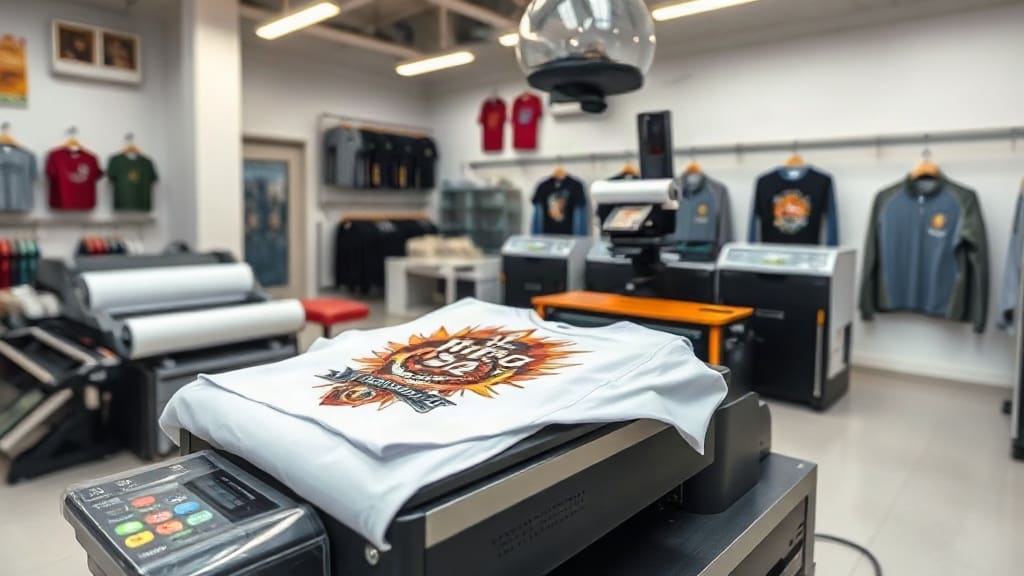
Searching for DTF (Direct to Film) printing services often brings up a list of online suppliers, but what if you want to inspect the print before you commit? That's when the phrase DTF transfers near me becomes your best ally. Local printers offer convenience, faster turnaround, and the ability to physically verify quality. However, not all local providers are equal. In this guide, I'll share what I've learned from working with various print shops, the red flags to avoid, and the exact questions to ask before placing your order.
Why Choose Local DTF Transfers?
When you type DTF transfers near me into a search engine, you're not just looking for a business. You're looking for a partner who understands your needs. Local suppliers often provide faster shipping, personalized customer service, and the chance to build a long-term relationship. If you're a small business owner or a hobbyist, being able to drop by the shop to see a sample can save you from costly errors. Moreover, local printers may offer custom solutions tailored to your region's demand, such as specific fabric types or popular designs.
From my own experience, working with a nearby printer meant I could test different film textures and adhesive powders without waiting days for samples. That hands-on approach helped me perfect my product line. But how do you find a reliable one?
Key Factors to Evaluate in a DTF Transfer Provider
Not every local shop that claims to produce DTF transfers is up to standard. Here's a breakdown of what to look for:
1. Print Quality and Resolution
Ask to see actual printed transfers, not just digital mockups. Look for crisp edges, vibrant colors, and smooth gradients. A good DTF printer should produce details without banding or pixelation. If possible, request a test print on the fabric you intend to use. DTF works best on cotton, polyester, and blends, but each fabric may react differently to adhesive and curing.
2. Film and Ink Compatibility
A professional provider will use high-quality PET film and specialized DTF inks. Cheap films can curl or crack, ruining your final product. Ask about their film thickness and ink type. Some printers use water-based inks, which are more eco-friendly but may need specific curing. Others use solvent-based inks for durability. Understand their process and whether it suits your product's lifespan.
3. Turnaround Time and Capacity
Your business may face peak seasons when you need large quantities quickly. Inquire about their production capacity and average turnaround. A reliable partner should be transparent about their lead times and offer rush options if needed. I once worked with a local printer who promised 48-hour delivery but took five days, causing me to miss a client deadline. Always ask for their current workload and set clear expectations.
4. Pricing Structure
While cheaper isn't always better, you need to understand the pricing model. Some printers charge per square foot, others per print, and some have setup fees. Compare quotes from multiple local providers to gauge the market rate. Remember that high-quality transfers may cost more upfront but save you from reprints and customer complaints. Look for value, not just the lowest price.
How to Search Effectively for "DTF Transfers Near Me"
When you type DTF transfers near me into Google, you'll get a list of options. But how do you narrow it down? Here are practical steps:
- Use Google Maps to see actual locations and read reviews. Pay attention to recent reviews, as they reflect current service quality.
- Check social media profiles like Instagram or Facebook. Many printers showcase their latest work there, giving you a sense of their style and quality.
- Visit their website and look for a portfolio or case studies. If they don't have one, that's a red flag.
- Call or email them. Ask about their minimum order, sample policy, and if they can provide references.
Don't just rely on online presence. A quick phone call can reveal their professionalism. If they're hesitant to answer questions or seem too salesy, move on.
Common Mistakes to Avoid When Choosing a DTF Transfer Printer
Even with careful research, people often fall into traps. Here's what to watch out for:
Mistake 1: Ignoring the Fine Print on Film
Some suppliers use recycled or low-grade film that may stick to the carrier sheet or peel inconsistently. Always ask for a sample transfer and test it on your garment. Wash it a few times to check for cracking or fading. This simple test can save you from a batch of defective products.
Mistake 2: Overlooking the Adhesive Quality
The adhesive powder is what makes the transfer stick. Low-quality adhesive can cause peeling after a few washes. Ask about the type of adhesive used and its stretch properties. For example, if you're printing on stretchy fabrics, you need a flexible adhesive. A knowledgeable printer will guide you.
Mistake 3: Not Clarifying Color Management
Colors on your screen may not match the print. Ensure the printer uses ICC profiles and can do color correction. Ask to see a proof before the full run. If they use generic profiles, you might end up with off-brand colors.
Mistake 4: Overlooking the Curing Process
Proper curing is essential for durability. If the printer uses a heat press, the temperature, pressure, and time must be calibrated. Ask about their curing process and if they test each batch. In my experience, a printer who invests in a proper conveyor dryer is more reliable than one using a makeshift heat press.
Questions to Ask Before Placing an Order
To ensure you're making the right choice, here's a checklist of questions:
- What is your minimum order quantity? Do you offer samples?
- Can you show me a sample print on the exact fabric I'll use?
- What is your production lead time and shipping cost?
- Do you provide a color proof or digital preview before printing?
- What is your policy on defective transfers or reprints?
- Do you use eco-friendly inks and films?
Their answers will help you identify a partner who invests in quality and customer satisfaction.
Why Online Isn't Always Better
Many businesses opt for online DTF transfer services because they're cheaper or have flashy websites. However, local providers offer several unique benefits:
- Immediate problem-solving: If a transfer fails, you can bring it back in person.
- Customization: Local printers can adjust colors, sizes, and even artwork to suit your needs.
- Community support: You're helping your local economy and building a network.
- Faster shipping: No waiting for cross-country deliveries.
Of course, if you live in a small town, you might not have many local options. In that case, consider expanding your search to nearby cities or using a hybrid approach: local for small orders, online for bulk purchases.
Building a Long-Term Relationship with Your DTF Printer
Once you find a reliable local printer, nurture that relationship. Share your feedback, discuss upcoming trends, and be open to their suggestions. A good printer can become a partner who helps you grow your business. For instance, they might introduce you to new materials like glitter film or specialty adhesives that give your products a competitive edge.
Remember, your reputation is tied to the quality of the DTF transfers you use. If your prints crack or fade, your customers will blame you, not the printer. So invest time in finding the right fit.
Frequently Asked Questions
How do I know if a local DTF printer is trustworthy?
Start by reading reviews and asking for samples. A trustworthy printer will be transparent about their processes and happy to provide references. Also, check if they have certifications or memberships in industry associations. If you can, visit their facility to see their equipment and cleanliness standards.
What is the typical turnaround time for DTF transfers?
It depends on the printer's workload and your order size. Generally, a small order (under 50 transfers) can be ready in 24 to 48 hours, while larger orders may take a week. Always ask for a specific deadline and get it in writing.
Can I get a sample before placing a bulk order?
Absolutely. Most professional printers offer samples, either free or at a nominal cost. A sample allows you to test washability, stretch, and adhesion. Never skip this step, especially if you're launching a new product line.
What should I prepare for a DTF transfer order?
You'll need high-resolution artwork (at least 300 DPI) in formats like PNG or PSD. If you have color requirements, provide Pantone codes. Also, specify the fabric type and desired transfer size. A clear file saves time and prevents errors.
How much do DTF transfers cost locally?
Pricing varies based on size, quantity, and complexity. As a rough guide, a standard 10x10 inch transfer might cost $1 to $2 each for small quantities, with discounts for bulk. Local printers may have different rates than online, but you're paying for convenience and quality.
Final Thoughts
Finding the right DTF transfers near me doesn't have to be a gamble. By doing your homework, asking the right questions, and testing samples, you can secure a local partner who delivers exceptional results. Whether you're a seasoned printer or a beginner, these tips will help you avoid common pitfalls and make informed decisions. So go ahead, search for DTF transfers near me, but don't just pick the first result. Invest a little time in research, and you'll reap the benefits for years to come.