
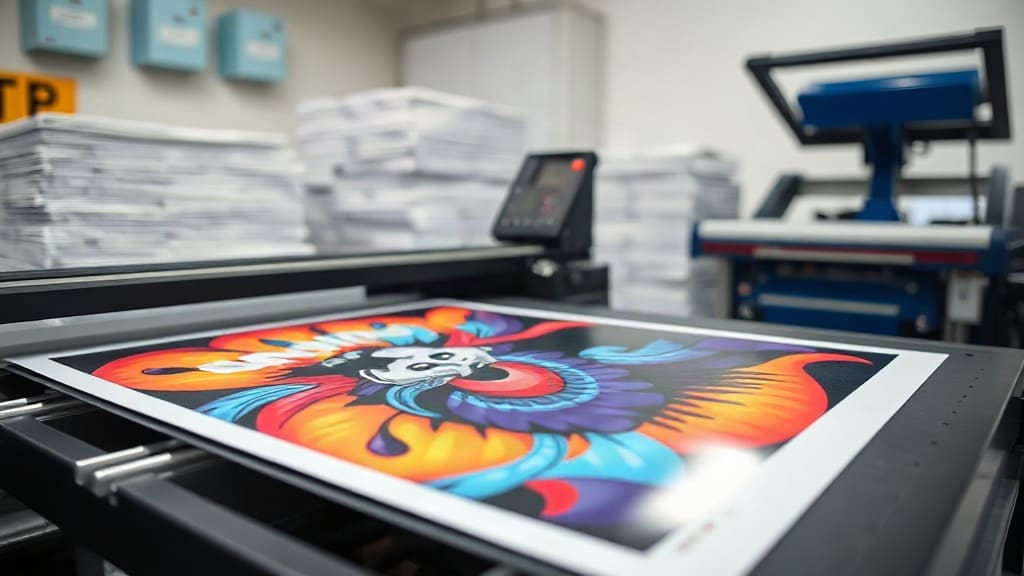
If you've ever searched for DTF printing services, you know how overwhelming the options can be. Whether you're a small business owner creating custom apparel or a hobbyist making gifts, finding the right supplier is crucial. The phrase DTF transfers might sound technical, but it's simply a method of printing designs onto film, which can then be heat-pressed onto fabric. The key is to find a provider that offers vibrant colors, durable prints, and fair prices. In this article, we'll explore how to locate the best DTF transfers near me, what to look for in a supplier, and how to get the most value for your money. By the end, you'll be equipped to make an informed decision that saves you time and frustration.
Understanding DTF Transfers: A Quick Overview
Before diving into the search process, it's helpful to understand what DTF transfers are and why they've become so popular. DTF stands for Direct to Film. Unlike traditional screen printing or heat transfer vinyl, DTF involves printing a design onto a special PET film using a printer equipped with white ink. After printing, a powder adhesive is applied, and the film is cured. The result is a ready-to-press transfer that can be applied to a wide range of fabrics, including cotton, polyester, blends, and even some hard surfaces.
One of the main advantages of DTF is its versatility. You can produce full-color designs with gradients, small text, and intricate details without the setup costs of screen printing. It's also a great option for low-order quantities, making it ideal for print-on-demand businesses. However, the quality heavily depends on the printing equipment, inks, and adhesive used. That's why choosing the right local supplier is essential.
Why Search for Local DTF Transfers?
You might wonder, why not just order online from a large company? While there are many reputable online services, searching for DTF transfers near me offers several distinct benefits. First, local suppliers often provide faster turnaround times. You can place an order and pick it up the same day or the next, which is critical for meeting tight deadlines. Second, you can physically inspect the quality of their work before committing. You can see and feel the transfers, check the vibrancy of colors, and even request sample prints. Third, building a relationship with a local printer can lead to better pricing and personalized customer service. They understand your specific needs and can offer advice on design optimization and material compatibility.
How to Find Reliable DTF Transfer Providers Near You
Finding a trustworthy provider isn't just about typing a phrase into Google. It requires a strategic approach to ensure you're getting the best quality and value. Here are some effective methods to locate top-notch DTF transfers in your area.
1. Leverage Online Search and Reviews
Start by performing a web search using targeted phrases like DTF transfers near me. Look for businesses with high ratings and numerous positive reviews. Pay attention to recent reviews, as they reflect current performance. Sites like Google Maps, Yelp, and Facebook can provide valuable insights. Don't just look at the star rating; read the comments to see what customers praise or criticize. Common themes like "fast shipping," "great color accuracy," or "poor adhesive" can guide your decision.
2. Ask for Recommendations from Industry Peers
If you know other local business owners, crafters, or individuals who use custom printing, ask them who they use. Personal recommendations are often the most reliable because they come from firsthand experience. Attend local trade shows, craft fairs, or networking events where printers might be present. You can also join online communities, such as Facebook groups for apparel decorators, and ask for suggestions specific to your city or region.
3. Check Social Media and Portfolio Samples
Most professional DTF printers showcase their work on social media platforms like Instagram and Facebook. Look for their profiles and examine the quality of their prints. Pay attention to the details: Are the colors vivid? Are the lines sharp? Are there any signs of peeling or cracking? Also, check if they post videos of the printing and pressing process, which demonstrates transparency and confidence in their product.
4. Visit the Facility in Person
Once you have a shortlist of potential providers, schedule a visit to their facility. A legitimate business should welcome you. During the visit, observe their equipment. Are they using professional DTF printers? Do they have proper ventilation and curing processes? Ask about the inks and adhesives they use. High-quality water-based inks are more eco-friendly and produce softer prints. Also, ask to see sample transfers that are ready to press. This gives you a tangible feel for the product's thickness and flexibility.
Key Factors to Evaluate When Choosing a DTF Transfer Supplier
Not all DTF transfers are created equal. To ensure you're getting a product that will last and look great, consider these critical factors.
Color Vibrancy and Detail
The whole point of using DTF is to achieve vibrant, detailed prints. Look at samples that have gradients, skin tones, and small text. The colors should be rich and not washed out. Also, check if the white underbase is opaque enough to prevent the garment color from showing through. A good indicator is printing on a dark fabric; the design should pop without any see-through.
Adhesive Quality and Durability
The adhesive is what makes the transfer stick to the fabric. Poor adhesive can lead to peeling after a few washes. Ask about the type of adhesive used and its durability. You can even do a quick wash test on a sample to see how it holds up. A quality transfer should withstand multiple washes without cracking, fading, or peeling.
Turnaround Time and Order Flexibility
Depending on your needs, you might require quick turnaround or the ability to order small quantities. Some printers have a minimum order requirement, while others offer flexibility. If you're a small business just starting, you might not want to order hundreds of transfers at once. Find a supplier that can accommodate your order size and provide realistic timelines. Be wary of printers who promise impossibly fast delivery, as that often compromises quality.
Pricing and Hidden Costs
Price is always a consideration, but it shouldn't be the sole deciding factor. Extremely low prices often indicate compromises in materials or workmanship. Request a quote for your specific design and quantity. Ask if there are any setup fees, art fees, or shipping costs if you're not picking up locally. Compare prices among several providers, but remember that value is more important than the lowest price.
How to Save Money Without Sacrificing Quality
Everyone wants to save money, but you don't want to end up with subpar transfers that cost you more in the long run due to returns or wasted garments. Here are some smart strategies to keep costs down while still getting excellent DTF transfers.
Optimize Your Designs for DTF Printing
Simple designs with fewer colors and less complexity are often cheaper to produce. While DTF doesn't have color setup fees like screen printing, certain design elements can affect the amount of ink used. For example, designs with lots of white areas will use more white ink, which is more expensive. Work with your printer to see if subtle modifications can reduce costs without compromising the visual impact.
Order in Bulk (Strategically)
Many printers offer tiered pricing based on quantity. If you have a steady demand, ordering a larger batch of the same design can significantly lower the cost per transfer. However, don't overstock on designs that might change. Balance the bulk discount with your actual usage rate.
Combine Orders with Other Local Businesses
If you have fellow entrepreneurs or crafters in your network, consider combining orders to reach higher quantity tiers. You can pool your orders for the same print run, but you'll need to coordinate designs. Alternatively, some printers offer a "gang run" service where multiple customers' orders are printed together, reducing costs for everyone involved.
Establish a Long-Term Relationship
Once you find a reliable printer, stick with them. Loyalty often comes with perks like discounted pricing, priority turnaround, or free consultations. A good supplier will value your repeat business and may offer exclusive deals. Don't constantly hop between providers for pennies; the trust and consistency built over time are invaluable.
DIY DTF Transfers: Is It Worth It?
Some individuals consider investing in their own DTF equipment to save money in the long run. While this is a viable option for those with high volume and technical skills, it's not for everyone. The initial investment includes a printer (which can cost thousands), a powder shaker, a curing oven, and the necessary supplies. You'll also need to learn color management, film handling, and troubleshooting. For most small businesses, using a professional service is more cost-effective, especially when you factor in the time and effort. However, if you're producing hundreds of prints monthly, DIY might be worth exploring. Just be sure to do a thorough cost-benefit analysis and consider the learning curve.
Common Mistakes to Avoid When Choosing a DTF Transfer Provider
Even with careful research, you might still stumble. Here are some pitfalls to watch out for.
Ignoring the Printer's Expertise
Just because a company offers DTF services doesn't mean they're experts. Ask about their experience with DTF specifically. A sign shop that primarily does vinyl might not have the same finesse as a dedicated DTF specialist. Look for a provider who can answer technical questions confidently and offer design advice.
Focusing Solely on Price
We've touched on this, but it's worth repeating: the cheapest option is often not the best. You might get a transfer that looks good initially but fades or peels after a few washes. This leads to unhappy customers and potential refunds, costing you more in the long run. Always balance price with quality.
Neglecting to Test with a Sample Order
Before placing a large order, always request a sample of your specific design. This allows you to evaluate the color accuracy, resolution, and durability. A reputable printer will be happy to provide a sample, perhaps at a discounted rate. If they refuse, consider that a red flag.
Not Checking Customer Support and Communication
Good communication is essential, especially if you need revisions or have questions. Test their responsiveness by reaching out before you order. If they're slow to respond or dismissive, you can expect similar treatment when issues arise. Choose a provider who values customer relationship management.
How to Prepare Your Artwork for DTF Transfers
To get the best results and avoid delays, ensure your artwork is optimized for DTF printing. While your printer can often help with formatting, understanding the basics can streamline the process.
File Formats
Most printers prefer vector files like AI, EPS, or PDF, but high-resolution PNGs with transparent backgrounds also work well. Avoid low-resolution JPGs, as they can lead to pixelation. A minimum of 300 DPI is recommended for raster images.
Color Profile
DTF printers use CMYK plus white ink. It's best to design in CMYK mode to avoid color shifts. If you're providing designs in RGB, they will be converted, which can sometimes cause unexpected results. Ask your printer what color profile they use.
Size and Placement
Make sure your design is scaled correctly and has appropriate margins. The transfer film is typically 30-60 cm wide, so design accordingly. Also, consider the placement on the garment. Your printer can provide templates to help you visualize the final product.
Conclusion
Searching for DTF transfers near me doesn't have to be a gamble. By taking the time to research local providers, evaluate their quality, and build a working relationship, you can ensure that your custom apparel looks professional and lasts. Remember to prioritize value over price, test with samples, and communicate clearly with your supplier. Whether you're a business owner or a crafting enthusiast, finding the right partner for DTF transfers will make all the difference in your projects. So start your search today, visit a local shop, and see the magic of DTF for yourself.
Frequently Asked Questions
What is the minimum order quantity for DTF transfers near me?
The minimum order quantity varies by provider. Some local shops may accept orders as low as one transfer, while others require a minimum of 10 or more. It's best to call or check their website to find out. If you're just starting, look for a printer that offers low minimums to test your designs without a large upfront investment.
How long does it take to get DTF transfers made locally?
Turnaround times depend on the complexity of your design, the printer's workload, and whether they offer rush services. Typically, you can expect anywhere from 24 hours to a few days for standard orders. Rush services are often available for an extra fee. Always ask for an estimated completion time before placing your order.
Can DTF transfers be used on any fabric?
DTF transfers are highly versatile and work well on cotton, polyester, blends, and even some synthetic materials like nylon. However, for best results, the fabric should be smooth and able to withstand the heat and pressure of the heat press. Highly textured fabrics like fleece or terry cloth might not produce as crisp a print. Your printer can advise you on the best fabric choices.
How do I care for garments with DTF transfers?
To ensure the longevity of your DTF prints, wash the garments inside out in cold water and tumble dry on low. Avoid using bleach or fabric softeners, as they can degrade the adhesive. Ironing directly on the print is not recommended; if necessary, iron the garment inside out or use a pressing cloth.
Are DTF transfers eco-friendly?
Many DTF processes use water-based inks that are more environmentally friendly than plastisol inks used in screen printing. However, the PET film used in the process is not biodegradable. Some manufacturers offer recyclable or biodegradable films, but their availability may vary. Ask your printer about their environmental practices if sustainability is important to you.