
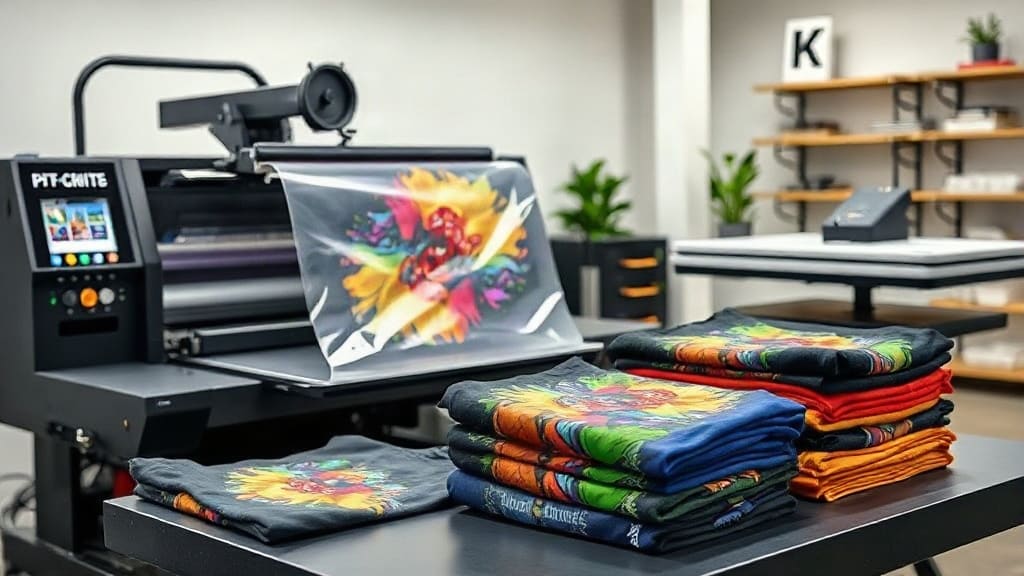
If you're looking for a versatile and efficient way to create custom apparel, DTF transfers have become a game-changer in the printing industry. Unlike traditional screen printing or direct-to-garment (DTG) methods, DTF (Direct to Film) offers incredible flexibility, vibrant colors, and ease of use. Whether you're a seasoned printer or just starting a custom apparel business, understanding the ins and outs of DTF transfers can help you produce high-quality products that satisfy your customers.
What Are DTF Transfers?
DTF (Direct to Film) is a printing method where your design is printed onto a special film using a DTF printer, then transferred to the garment using a heat press. The film is coated with an adhesive powder that melts during the heat press process, bonding the ink to the fabric. This technique has gained popularity because it allows for printing on a wide range of fabrics, including cotton, polyester, blends, and even performance materials that are often tricky for other methods.
Why Choose DTF Transfers Over Other Methods?
The custom apparel market is saturated with options like vinyl, screen printing, and DTG. So why are DTF transfers gaining traction? Let's break down their key benefits.
Versatility Across Fabrics
One of the biggest advantages of DTF is its ability to adhere to almost any fabric. Unlike DTG, which works best on 100% cotton, DTF performs well on polyester, nylon, and blends. This makes it ideal for sportswear, activewear, and mixed-material garments.
Exceptional Color and Detail
DTF printing uses CMYK plus white ink, allowing for full-color designs with intricate details and vibrant colors even on dark fabrics. The white ink underbase ensures that colors pop without the need for pre-treatment, which is a common requirement in DTG.
Soft Hand Feel and Durability
Compared to vinyl, DTF transfers have a much softer hand feel. The ink and adhesive are thin, making the print flexible and comfortable against the skin. Additionally, when properly applied, DTF prints can withstand many washes without cracking or fading, giving your customers long-lasting apparel.
Cost-Effective for Small Runs
DTF is highly cost-effective for small to medium orders. Unlike screen printing, there are no screen setup costs, making it affordable to print one-off items or small batches. This is perfect for print-on-demand businesses, personalized gifts, or sampling.
DTF Transfers vs. DTG Printing: What's the Difference?
DTG (Direct to Garment) involves printing directly onto the fabric using a specialized inkjet printer. While DTG is excellent for cotton and offers a soft touch, it has limitations. DTG printers require pre-treatment for dark garments, and the process can be slower for bulk orders. DTF transfers, on the other hand, bypass these limitations by printing onto a film first. This allows you to stockpile transfers and press them on demand, increasing your production speed and flexibility.
The DTF Transfer Process: Step-by-Step
To get the best results, it's crucial to follow the correct process. Here's a typical workflow for creating DTF transfers:
- Create your design: Use graphic design software like Adobe Illustrator or Photoshop, ensuring your artwork is high resolution (300 DPI) and has any necessary color separations.
- Print on film: Load the DTF film into your printer, print the design in reverse (mirror image). Use a high-quality RIP software to control color output and white ink layer.
- Apply adhesive powder: While the ink is still wet, sprinkle DTF adhesive powder evenly over the printed area. The powder sticks to the ink.
- Shake off excess powder: Gently shake off the loose powder. Ensure the powder only remains on the printed design, not on blank areas.
- Heat cure the powder: Place the film into a powder curing oven or a heat press set to around 160°C (320°F) for a few seconds. This melts the powder, causing it to form a bond with the ink. You can also use a heat gun, but an oven ensures even melting.
- Store or cut: Once cooled, your transfer is ready. You can cut out individual designs or store the entire sheet for later use.
- Press onto garment: Place the transfer on your garment with the film side down. Press with a heat press at approximately 160°C (320°F) for 15-20 seconds with medium pressure. Then, peel off the film when cool or hot, depending on the manufacturer's instructions.
Choosing the Right Materials for DTF Transfers
The quality of your DTF transfers depends heavily on the materials you use. Here are the essential components:
DTF Printer
You'll need a printer that can handle DTF inks and has a white ink circulation system to prevent settling. Epson XP series are popular for beginners, while industrial models like Epson F2100 or specialized DTF printers are for high-volume production.
DTF Film
Use high-quality DTF film with good ink absorption and release properties. There are two types: one for light fabrics (clear film) and one for dark fabrics (matte film). Ensure you buy the right one for your garments.
DTF Inks
DTF inks are solvent-based and include CMYK plus white. Choose reputable brands that offer good color gamut and washing fastness. Always store inks properly to prevent clogging.
Adhesive Powder
This is a fine thermoplastic powder that activates under heat. Different powders have different melting points and particle sizes. A finer powder gives a softer feel, while a coarser one provides stronger bonding. For most applications, a medium powder works well.
Heat Press
You need a heat press that can provide even pressure and temperature. A 15x15 inch clamshell or swing-away press works for most prints. Ensure it reaches at least 180°C (356°F) and can be calibrated.
Tips for Getting Great Results with DTF Transfers
To ensure your DTF prints come out flawless, follow these practical tips:
- Test your print settings: Before running a full batch, always do a test print on a small piece of fabric. Adjust color profiles, temperature, and time as needed.
- Use proper pressure: Too little pressure can result in weak adhesion, while too much can distort the fabric. Aim for medium to firm pressure, and experiment to find the sweet spot for your press.
- Balance powder application: Too much powder makes the print stiff and rubbery; too little may cause cracking. Shake off excess thoroughly and consider using a sieve for even distribution.
- Mind the fabric type: Each fabric behaves differently. For high-stretch fabrics like spandex, use a stretchable powder and test the print's flexibility.
- Pre-press your garment: This removes moisture and wrinkles, ensuring a smoother transfer. Press for 2-3 seconds before placing the transfer.
- Allow proper cooling: After pressing, let the transfer cool before peeling. Some films are hot-peel, but most are cold-peel. Follow the film manufacturer's advice.
Common Mistakes and How to Avoid Them
Even experienced printers encounter issues. Here are some frequent pitfalls and solutions:
Poor Adhesion or Cracking
This often results from insufficient powder, low temperature, or short pressing time. Increase the powder amount slightly, and ensure your heat press is actually reaching the set temperature. Use a temp gun to verify.
Ghosting or Blurring
Ghosting happens when the transfer shifts during pressing or when the film is peeled too fast. Ensure the garment is flat and the film is taped down to prevent movement. Peel slowly and evenly.
Ink Not Curing
If your prints are washing out, the ink might not be fully cured. The powder melting isn't enough; the ink itself needs to cure. Check your powder curing step and ensure the film is heated sufficiently (around 160°C for 3-5 minutes in an oven, or as per manufacturer).
White Ink Printing Issues
White ink can be notorious for clogging. Use a printer with a white ink recirculation system and clean the printhead regularly. Also, shake the white ink cartridges daily to prevent pigment settling.
Cost Considerations: Is DTF Right for You?
Investing in DTF equipment involves initial costs for the printer, films, inks, and powder. However, for small businesses, DTF can be more economical than outsourcing prints or using other methods. Calculate your cost per print, including waste, and compare it with your selling price. If you're ordering DTF transfers from a service like dtftouch.com, you can save on equipment and only pay for what you need.
How to Pick a Reliable DTF Transfer Supplier
If you don't want to invest in equipment, partnering with a reputable supplier is key. Look for companies that offer high-quality prints, consistent turnaround times, and good customer service. Check reviews, request samples, and compare pricing. A supplier that uses premium inks and films will deliver better results.
Frequently Asked Questions
How many washes do DTF transfers withstand?
When applied correctly, DTF prints can last for 40-60 washes or more without significant fading or cracking. The durability depends on the quality of materials, curing process, and care instructions. To maximize lifespan, wash garments inside out in cold water and avoid using bleach or harsh detergents.
Can DTF transfers be used on dark garments?
Yes, DTF is excellent for dark fabrics because it uses a white underbase. The white ink is printed first, ensuring that colors appear vivid and opaque, even on black or navy shirts.
Do DTF transfers require special pretreatment?
No, one of the advantages of DTF is that it doesn't require fabric pretreatment. You can directly press the transfer onto the garment. However, pre-pressing the garment to remove moisture and wrinkles is recommended.
What are the limitations of DTF transfers?
DTF works best on flat surfaces and may not be suitable for items with heavy texture like towels or fleece. Also, DTF prints can have a slightly different feel compared to DTG or screen prints, but most customers find it acceptable.
How do I store DTF transfers?
Unused DTF transfers should be stored in a cool, dry place away from direct sunlight. Keep them flat or in a roll, and ensure they are not exposed to excessive heat, which could activate the adhesive prematurely.
Final Thoughts
DTF transfers have revolutionized the custom apparel industry by offering a perfect balance of quality, ease, and affordability. Whether you're producing small batches or scaling your business, mastering DTF can open up new creative possibilities. If you're ready to explore this technology, consider trying out a supplier like dtftouch.com to experience the benefits firsthand. With the right materials and techniques, you'll be creating stunning apparel that stands the test of time.