
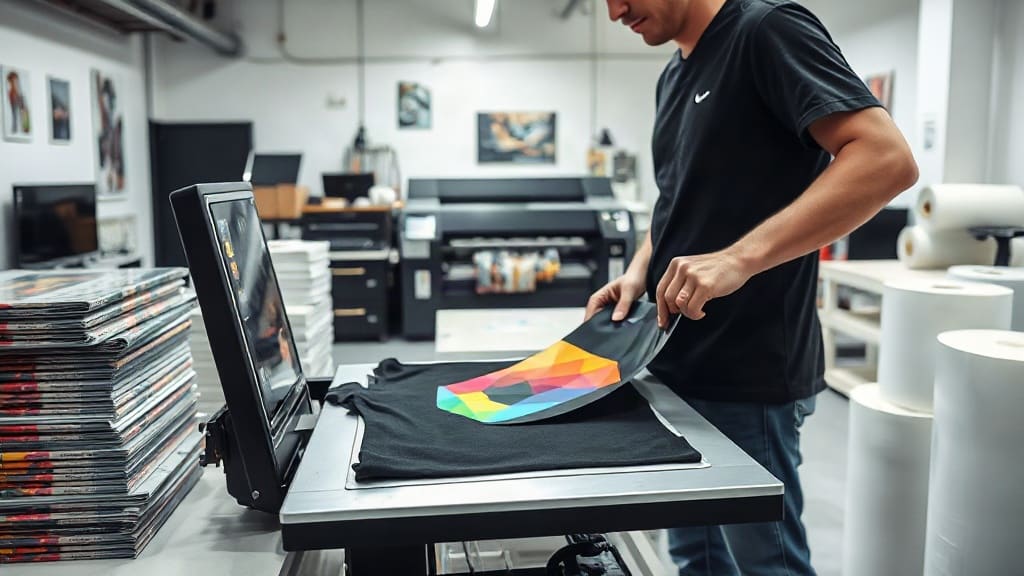
If you're in the custom apparel business, you've likely heard about DTF transfers. This innovative printing method has taken the industry by storm, offering a versatile and cost-effective way to produce high-quality custom garments. But what exactly are DTF transfers, and how can you use them to elevate your projects? In this comprehensive guide, we'll break down everything you need to know, from the basics to advanced tips.
What Are DTF Transfers?
DTF stands for Direct to Film. It's a printing process where a design is printed onto a special PET film, coated with adhesive powder, and then heat-pressed onto fabric. Unlike traditional heat transfer vinyl (HTV), which requires cutting and weeding, DTF allows for full-color, detailed prints without any weeding. DTF transfers are becoming a favorite for small businesses and hobbyists because they can be produced on demand and applied to a wide range of materials.
How Does the DTF Process Work?
Understanding the process helps you appreciate why DTF transfers are so effective. Here's a step-by-step breakdown:
- Design Creation: You create your artwork in a design software, ensuring it's in the correct color format (CMYK) and resolution (at least 300 DPI).
- Printing: A specialized DTF printer prints the design in reverse onto a PET film using CMYK plus white ink. The white layer acts as a base to ensure colors pop on dark fabrics.
- Applying Adhesive: While the ink is still wet, a hot-melt adhesive powder is applied to the film. This powder is what bonds the print to the fabric.
- Curing: The film is passed through a powder curing oven or heat press to melt the adhesive and dry the ink.
- Transfer: The final DTF transfer can be stored and used later. To apply, you place it on your garment and press it with a heat press at around 320°F (160°C) for 15-20 seconds.
- Peeling: After pressing, you peel off the film, leaving the design permanently bonded to the fabric.
Why Choose DTF Transfers?
DTF transfers offer several advantages over other methods, making them a go-to choice for many.
Versatility of Fabrics
One of the biggest benefits is the ability to print on almost any fabric. Whether it's cotton, polyester, blends, or even nylon, DTF transfers work well. This is a game-changer compared to sublimation, which only works on polyester. You can also apply them to non-fabric items like tote bags, caps, and even leather.
No Weeding Required
If you've ever used HTV, you know the tedious task of weeding out excess vinyl. With DTF transfers, there's no weeding. The design is printed exactly as intended, with all the fine details and colors intact. This saves a significant amount of time, especially for complex designs.
High Detail and Color Accuracy
DTF printing uses CMYK plus white, allowing for vibrant colors and sharp details. You can reproduce gradients, shadows, and intricate graphics with precision. This makes it ideal for photographic images or detailed logos.
Durability and Washability
When applied correctly, DTF transfers are incredibly durable. They can withstand multiple washes without cracking or fading. The adhesive creates a strong bond that flexes with the fabric, ensuring the print stays intact even after years of use.
Cost-Effective for Small Runs
Unlike screen printing, which has high setup costs and minimum order quantities, DTF transfers are perfect for small orders. You can print a single item or a small batch at a reasonable price. This makes it accessible for small businesses or those just starting out.
DTF Transfers vs. Other Methods
To better understand where DTF fits, let's compare it to other popular techniques.
DTF vs. Screen Printing
Screen printing is still the champion for large orders because the per-unit cost decreases significantly. However, it requires screens and setup, making it impractical for small runs or multi-color designs. DTF transfers, on the other hand, have no setup costs, and you can print an unlimited number of colors without extra charges. The quality is also comparable, though screen printing may have a slight edge in certain textures.
DTF vs. Direct-to-Garment (DTG)
DTG printing is similar to DTF in that it prints directly onto the garment, but it has limitations. DTG works best on 100% cotton shirts, and the pre-treatment process is crucial. DTF transfers are more versatile and don't require pre-treatment. Additionally, DTF transfers can be printed in advance and applied on demand, which is perfect for businesses that don't want to keep large inventory.
DTF vs. Sublimation
Sublimation is great for polyester fabrics and produces vibrant, permanent prints that don't crack. However, it only works on white or light-colored garments and cannot be used on cotton. DTF transfers offer full-color prints on dark fabrics and any material, making them a more flexible option.
How to Use DTF Transfers: A Step-by-Step Guide
If you're ready to start using DTF transfers, here's a practical guide to ensure successful application.
What You'll Need
Before you begin, gather these essential tools:
- A heat press (clamshell or swing-away)
- DTF transfer films with printed designs
- Parchment paper or a Teflon sheet
- Your garment or item
Application Steps
- Preheat: Turn on your heat press and set it to 320°F (160°C). Preheat the garment for a few seconds to remove moisture and wrinkles.
- Position: Place the DTF transfer on the garment with the film side up (design facing up). Make sure it's centered and straight.
- Press: Cover the transfer with parchment paper to protect the film from direct heat. Press for 15-20 seconds with medium to firm pressure.
- Peel: After pressing, peel the film off the garment. You can peel hot or cold, but hot peeling gives a glossy finish, while cold peeling (waiting for it to cool) results in a matte finish. Follow the manufacturer's recommendation.
- Re-press (optional): If you want a more durable print, place the parchment paper back and press for an additional 5 seconds on the backside of the design.
Tips for Perfect DTF Transfers
Getting great results every time takes practice. Here are some pro tips to help you.
- Test First: Always do a test press on a scrap fabric to check the temperature and pressure.
- Use the Right Pressure: Too little pressure can cause poor adhesion, while too much can crush the fabric or cause ghosting. Aim for medium pressure.
- Watch the Temperature: If the temperature is too low, the adhesive won't melt properly. Too high can scorch the fabric. Stick to the recommended range.
- Store Properly: Keep your DTF transfers in a cool, dry place away from direct sunlight. Moisture can degrade the adhesive.
- Wash Care: Advise your customers to wash the garments inside out in cold water and avoid using fabric softeners, which can affect the print.
Common Mistakes to Avoid
Even experienced printers make mistakes. Here are some pitfalls to steer clear of.
- Using the Wrong Side: Ensure you're pressing the correct side of the film. The design should be mirrored when printing, but when applying, the film side faces up.
- Skipping Preheat: Preheating removes moisture that can cause bubbles or poor adhesion.
- Over-Pressing: Pressing too long can cause the adhesive to bleed or the colors to scorch.
- Ignoring Fabric Care: Some fabrics have special requirements. For example, nylon may need lower temperatures.
Finding High-Quality DTF Transfers
If you don't have your own DTF printer, you can purchase custom DTF transfers from suppliers. Many companies offer online printing services where you upload your design and receive ready-to-press transfers in the mail. This is ideal for testing the waters or for small businesses that don't want to invest in expensive equipment. When choosing a supplier, look for one that uses high-quality inks and films, and offers a variety of sizes.
The Future of DTF Technology
The DTF market is growing rapidly. As technology advances, we can expect even better print quality, faster production speeds, and more affordable equipment. Already, DTF is bridging the gap between large-scale manufacturing and personalized on-demand printing. With its versatility and ease of use, DTF transfers are likely to become a staple in the custom printing industry.
Frequently Asked Questions
Can DTF transfers be used on dark-colored garments?
Yes, absolutely. One of the main advantages of DTF is that it includes a white ink base, which makes colors pop on dark fabrics. Just ensure you use the correct pressing time and temperature to get a solid adhesion.
How many washes can a DTF transfer withstand?
With proper application and care, DTF transfers can last for 50 or more washes. The durability depends on factors like fabric type, wash temperature, and whether you use a dryer. Washing inside out in cold water and air drying can extend the life of the print.
Do I need a special printer for DTF?
Yes, DTF requires a printer that can handle film printing with white ink. Many EPSON printers are converted for DTF, but there are also dedicated DTF printers available. If you're not ready to invest, you can order transfers from a supplier.
What is the minimum order quantity for DTF transfers?
There is no minimum order quantity for DTF transfers. You can print a single transfer or thousands. This makes it perfect for custom orders and low-volume production.
Can I use DTF transfers on materials other than fabric?
Yes, DTF transfers can be applied to many surfaces, including tote bags, caps, and even some types of leather. However, the surface must be heat-resistant and able to withstand the press temperature. Always test on a small area first.
Conclusion
DTF transfers have revolutionized the custom printing world, offering a perfect blend of versatility, quality, and convenience. Whether you're a hobbyist or a seasoned professional, incorporating DTF into your workflow can open up new possibilities. With the right equipment and a bit of practice, you'll be producing stunning, durable prints that satisfy your customers and grow your business.