
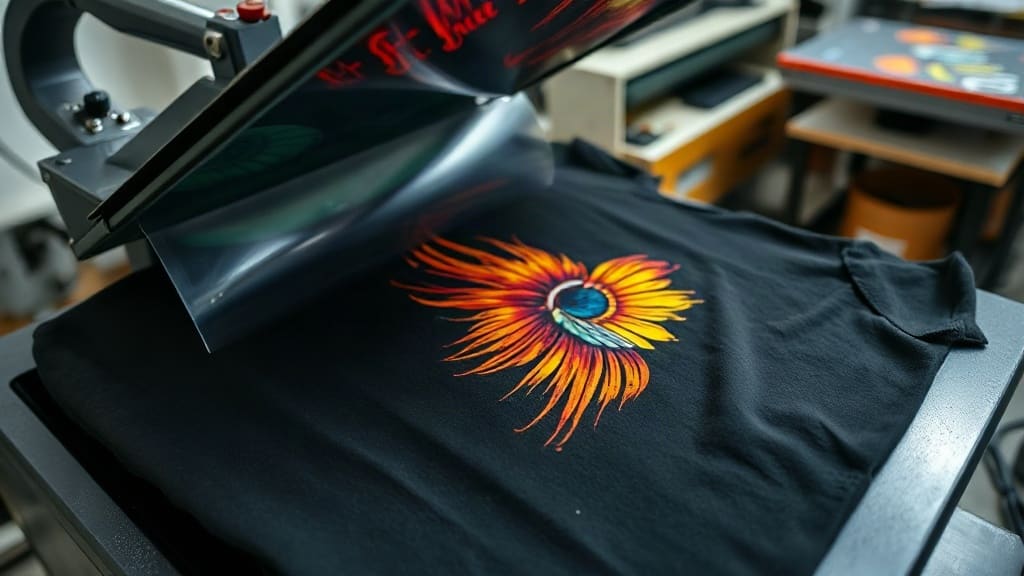
If you're in the custom apparel business or just love making your own shirts, you've probably heard about DTF transfers. They're taking the industry by storm, and for good reason. Unlike traditional printing methods, DTF (Direct to Film) transfers offer incredible versatility, vibrant colors, and ease of use. Whether you're a small business owner or a hobbyist, understanding DTF transfers can open up a world of possibilities. In this guide, we'll explore everything you need to know about DTF transfers, from how they work to how to apply them, and why they might be the perfect solution for your next project.
What Are DTF Transfers?
DTF transfers are a type of heat transfer that involves printing your design onto a special PET film using a DTF printer. The design is printed in reverse with CMYK colors and then a layer of white ink is applied to act as a base. After printing, adhesive powder is applied to the wet ink, which is then melted and cured. The result is a transfer that can be applied to a wide range of fabrics using a heat press. This process allows for detailed, full-color designs that are soft to the touch and highly durable.
How Do DTF Transfers Work?
The DTF process begins with a digital design file. You print this file onto the PET film using a specialized DTF printer that uses CMYK plus white ink. The white ink is crucial because it ensures that the colors appear vibrant on dark garments. After printing, while the ink is still wet, you sprinkle adhesive powder over the printed area. The film is then passed through an oven or heat tunnel to melt the powder, bonding it to the ink. This creates a transfer that is ready to be pressed onto a garment.
DTF Transfers vs. Screen Printing vs. Sublimation
To truly appreciate DTF transfers, it's helpful to compare them to other popular methods. Screen printing is a classic technique that produces durable prints but requires a lot of setup, making it costly for small orders. Sublimation works well on polyester but doesn't work on cotton. DTF transfers, on the other hand, can be used on cotton, polyester, blends, and even leather and nylon. They offer the same level of detail as screen printing but with the convenience of digital printing. For small to medium runs, DTF transfers are often more cost-effective and faster to produce.
Advantages of Using DTF Transfers
- Versatility: DTF transfers work on a wide range of fabrics, including cotton, polyester, and blends.
- Vibrant Colors: The white ink base ensures colors pop on dark fabrics.
- Soft Hand Feel: The prints are thin and flexible, making them comfortable to wear.
- Durability: DTF prints can withstand repeated washing without cracking or fading.
- No Weeding: Unlike vinyl, there's no need to weed intricate designs.
- Cost-Effective for Small Orders: No screen setup means you can produce low quantities affordably.
How to Apply DTF Transfers
Applying DTF transfers is straightforward if you have a heat press. First, preheat your press to around 300°F (150°C). Place the garment on the press, then position the transfer with the film side up and the adhesive side down onto the garment. Press with medium pressure for 10-15 seconds. After pressing, peel the film off either hot or cold, depending on the manufacturer's instructions. For best results, you can do a second pressing with a protective sheet to ensure the adhesive is fully cured.
Choosing the Right DTF Transfer Supplier
If you don't have a DTF printer, you can purchase DTF transfers from suppliers like dtftouch.com. When choosing a supplier, consider factors like print quality, turnaround time, and customer service. Look for suppliers who use high-quality inks and films to ensure durability. Reading reviews and requesting samples can help you make an informed decision. A reliable supplier will also provide clear application instructions and support.
Tips for Designing DTF Transfers
To get the best results, keep these design tips in mind:
- High Resolution: Make sure your design is at least 300 DPI to avoid pixelation.
- Color Accuracy: Use proper color profiles to ensure your colors print accurately.
- Size and Placement: Determine the correct size and placement on the garment before ordering.
- Reverse Text: If your design includes text, it will be printed in reverse, but when applied it will read correctly.
Common Mistakes to Avoid
Even experienced users can make mistakes. One common error is applying too much heat or pressure, which can cause the adhesive to bleed through the fabric. Another is using the wrong peeling method; some transfers require hot peeling, others cold. Always follow the supplier's instructions. Also, make sure the garment is pre-pressed to remove moisture and wrinkles, as this can affect adhesion.
Frequently Asked Questions
What fabrics are best for DTF transfers?
DTF transfers work on a wide variety of fabrics, including 100% cotton, polyester, and blends. They are especially good on dark, heavyweight fabrics like hoodies and t-shirts. However, they can also be applied to performance fabrics, as long as the heat press temperature is adjusted appropriately.
How many washes do DTF transfers last?
DTF transfers are known for their durability. When applied correctly, they can withstand 50 or more washes without significant fading or cracking. To extend their life, wash garments inside out in cold water and avoid using bleach.
Can DTF transfers be used on hats and other items?
Yes, DTF transfers can be applied to hats, but you'll need a hat press or a heat press with a hat attachment. The process is similar to applying to flat garments, but you must ensure the transfer conforms to the curve of the hat.
Do I need a special printer to make DTF transfers?
Yes, DTF transfers require a DTF printer that uses CMYK and white ink, along with a powder shaker and oven or curing unit. If you're not ready to invest in this equipment, you can order custom DTF transfers from a supplier like dtftouch.com.
What's the difference between DTF and DTG printing?
Direct to Garment (DTG) printing involves printing directly onto the fabric, while DTF prints onto a film that is then transferred. DTF offers more flexibility in terms of fabric types and is often better for smaller runs because there's no setup. DTG can be more economical for large quantities but requires pretreated garments for best results.