
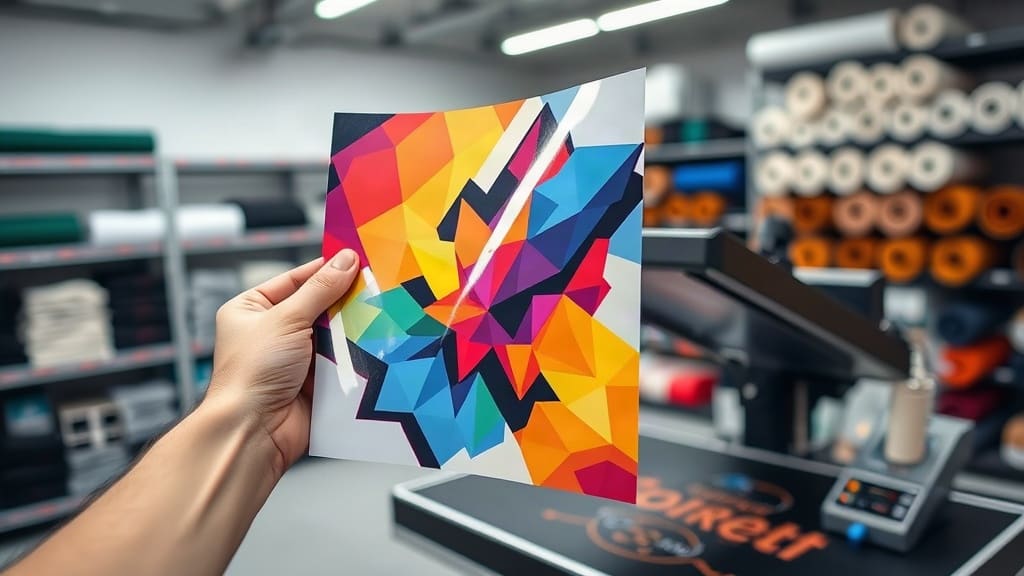
When you’re searching for DTF transfers near me, you want more than just a quick Google result. You need a supplier who understands your vision, delivers vibrant prints, and does it at a price that makes sense for your business. I’ve been in the custom apparel game for years, and I’ve learned that the best local DTF supplier isn’t always the first one that pops up. It takes a bit of digging, some smart questions, and a willingness to test samples. In this guide, I’ll walk you through everything you need to know to find the best DTF transfers near me, avoid common pitfalls, and build a partnership that helps your brand grow.
Why Choosing a Local DTF Transfer Supplier Matters
You might be tempted to order from a huge online printer that ships from across the country. But there are several advantages to sticking with a local provider. For starters, you can see and feel the quality before committing to a bulk order. You can also inspect the film, the adhesive, and the color vibrancy in person. Plus, shipping times are shorter, which is a lifesaver when a customer suddenly needs 50 shirts for a corporate event. And if something goes wrong, you have someone to talk to face-to-face, not just a support ticket.
What Exactly Are DTF Transfers?
Before you start calling around, let’s make sure we’re on the same page. DTF (Direct to Film) printing is a method where a special film is printed, coated with adhesive powder, and then heat-pressed onto fabric. Unlike traditional screen printing, DTF allows for full-color, detailed designs without burning screens. It works on cotton, polyester, blends, and even tricky materials like nylon or leather. The result is a soft, durable print that doesn’t crack easily. Because the process is digital, there’s no minimum order quantity, making it perfect for small batches and custom one-offs.
How to Search for “DTF Transfers Near Me” Effectively
Typing “DTF transfers near me” into a search engine is a start, but you need to refine your search to get the best results. Here are some tactics:
- Use specific keywords like “custom DTF transfers [Your City]” or “DTF printing near me.”
- Check local business directories, such as Yelp or the Better Business Bureau, to see reviews and ratings.
- Join local business groups on Facebook or LinkedIn and ask for recommendations.
- Visit trade schools or print shops that might have equipment and can point you to a supplier.
Red Flags to Watch Out For
Not every supplier is created equal. I’ve seen businesses promise amazing quality and then deliver blurry, peeling transfers. Keep an eye out for these warning signs:
- They don’t offer samples or charge an exorbitant fee for them.
- Their website lacks clear pricing or turnaround times.
- They can’t provide references or examples of past work.
- The facility is dirty or disorganized when you visit.
- They use outdated equipment or can’t explain their process.
Questions to Ask Before You Commit
Once you’ve shortlisted a few candidates, schedule a consultation or visit. Prepare a list of questions to gauge their expertise and fit:
- What is your minimum order quantity? (Many DTF shops have no minimum, but some do).
- Do you offer white ink printing, and is it included in the price?
- What film and adhesive do you use? Can I see a sample pressed on a shirt?
- How do you handle color matching? Can you match Pantone colors?
- What is your typical turnaround time for a small order?
- Do you provide a proof before printing?
- What is your return or refund policy if the transfers are defective?
Evaluating Print Quality: What to Look For
When you receive a sample transfer, don’t just look at the design. Press it onto a similar fabric to what you’ll use. Then examine:
- Color vibrancy: Are the colors true to the original design?
- Sharpness: Are the edges crisp, or is there any bleeding?
- Softness: After washing, does the print feel stiff or uncomfortable?
- Durability: Wash the sample a few times to see if it fades or cracks.
The Cost Factor: Balancing Price and Quality
Price is always a concern, but don’t automatically choose the cheapest option. A low price often means lower-quality materials or rushed production. On the other hand, a high price doesn’t guarantee perfection. Aim for a supplier who offers a fair price for the quality you need. For comparison, wholesale DTF transfers typically cost between $2 and $5 per sheet, depending on size and complexity. Local shops might be slightly higher, but you save on shipping and gain a trusted partner.
Support Local: The Community Advantage
Choosing a local DTF transfer provider supports your local economy and often gives you more personalized service. You can build a relationship where the owner knows your brand and anticipates your needs. They might even offer rush services when you’re in a pinch. In my experience, a handshake and a face-to-face conversation can resolve issues that would take hours over email.
Case Study: How I Found My Go-To DTF Supplier
Let me share a quick story. I started my apparel business in a small town, and my first few orders were disastrous because I used an out-of-state printer that had terrible communication. After a missed deadline, I decided to search for “DTF transfers near me” and visited three local shops. The first was a big commercial printer that didn’t seem interested in my small orders. The second had great samples but charged double what I could afford. The third was a mom-and-pop shop run by a former graphic designer. She took the time to understand my needs, gave me a fair quote, and delivered a test order in two days. That was two years ago, and she’s still my go-to supplier. I’ve sent her at least 100 referrals since.
Sustainability and Ethical Considerations
Many businesses today are eco-conscious. DTF printing is relatively low-waste, but you can still ask about a supplier’s practices:
- Do they use eco-friendly inks?
- How do they dispose of waste film and powder?
- Do they offer bulk discounts to reduce packaging?
- Are their working conditions fair?
How to Build a Long-Term Relationship
Once you find a great supplier, nurture that relationship. Pay on time, communicate clearly, and give feedback. If you’re happy, spread the word. A loyal customer is valuable to any small business, and they’ll likely reward you with better prices and priority service.
Frequently Asked Questions
What is the difference between DTF and sublimation?
DTF and sublimation are both digital printing methods, but they work differently. Sublimation uses heat to turn dye into gas, which bonds with polyester fibers. It only works on light-colored, high-polyester fabrics. DTF prints onto a film, which is then transferred to any fabric, including cotton, and can be used on dark colors with white ink. So DTF is more versatile.
How long do DTF transfers last?
With proper pressing and care, DTF transfers can last for many washes. The key is to use high-quality materials and follow the recommended temperature, pressure, and time. On average, a well-made DTF transfer can withstand 50 or more washes without significant fading or cracking, especially if you wash inside out in cold water and avoid high-heat drying.
Can I order DTF transfers for a single shirt?
Yes, one of the biggest advantages of DTF is that there’s usually no minimum order. Even if you need just one transfer, you can order it, though you might pay a small setup fee if it’s your first time. Many local suppliers are happy to help with small orders, making DTF perfect for personal projects or market testing.
What files do I need to provide for DTF printing?
Most DTF printers accept high-resolution PNG or PDF files. It’s best to provide a transparent background if you want the print to be cut to the shape of your design. For best results, your file should be at least 300 DPI. Some shops also accept vector files like SVG or EPS. If you’re not sure, ask your supplier for their preferred file format.
How much should I charge for DTF transfer shirts?
Pricing depends on your costs and your market. A common formula is to double the cost of the shirt and transfer, then add a labor fee. For example, if a shirt costs $3 and a transfer costs $2, your base cost is $5. Many businesses then charge $15 to $20 per shirt to cover overhead and profit. Research local competitors to find a sweet spot.
Final Thoughts
Finding the best DTF transfers near me doesn’t have to be a shot in the dark. By understanding the technology, knowing what questions to ask, and testing samples, you can secure a reliable supplier that helps your business shine. Remember to prioritize quality and service over price alone. And once you find a great partner, treat them well. The right local supplier can be a game-changer for your brand, offering flexibility, speed, and a personal touch that online giants can’t match. So start your search today, and don’t be afraid to look beyond the first page of results. Your perfect DTF partner might be just around the corner.